Locksmith in Bramalea Woods, OntarioBusiness doors in Bramalea Woods,kept under control
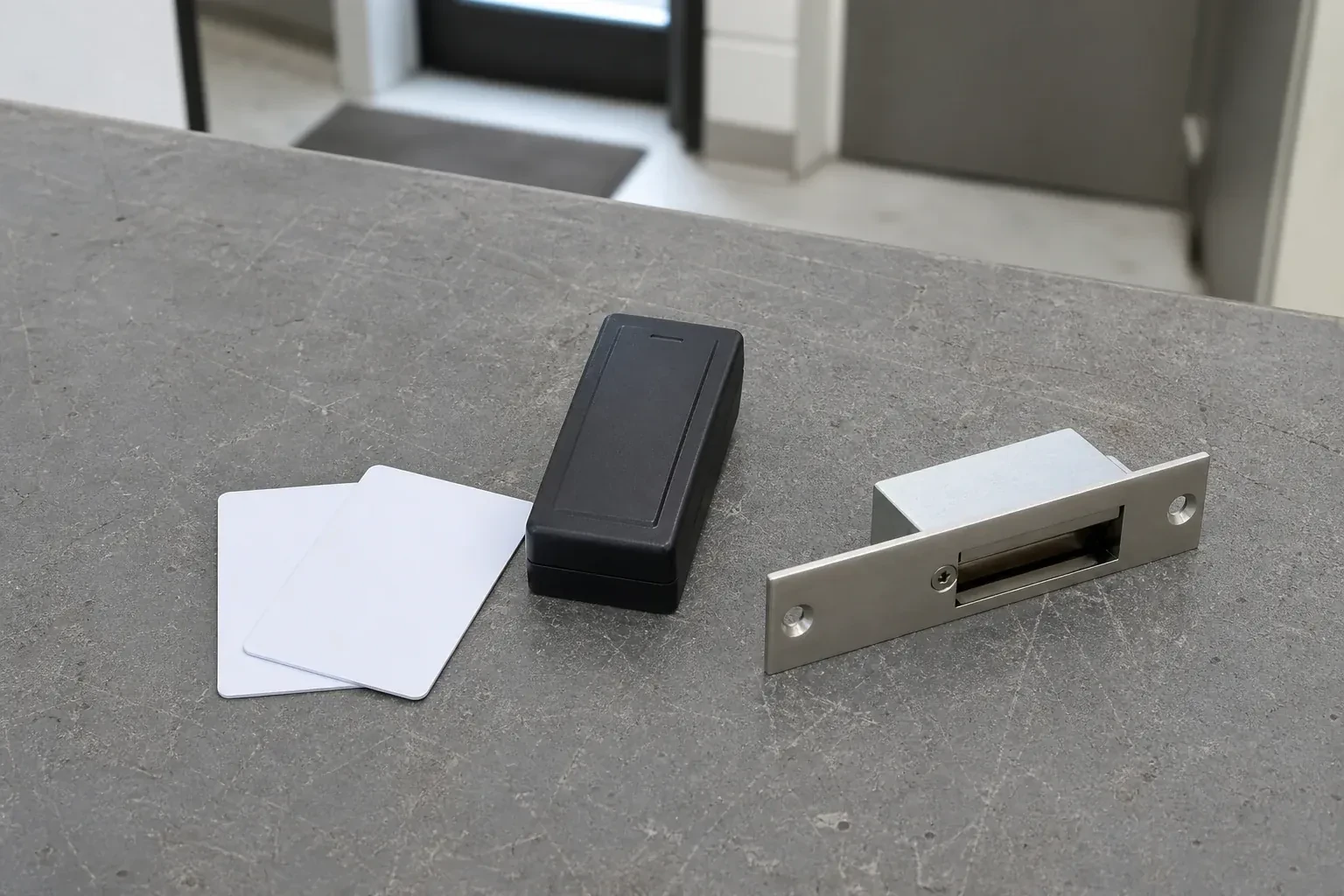
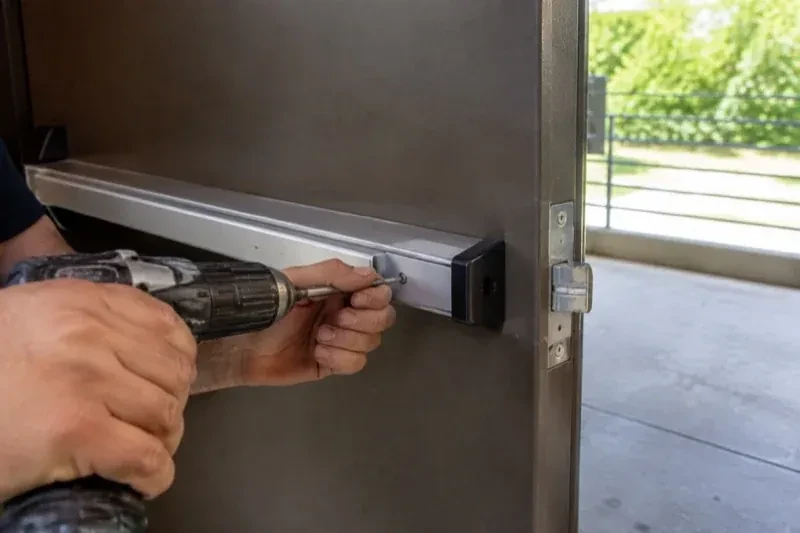
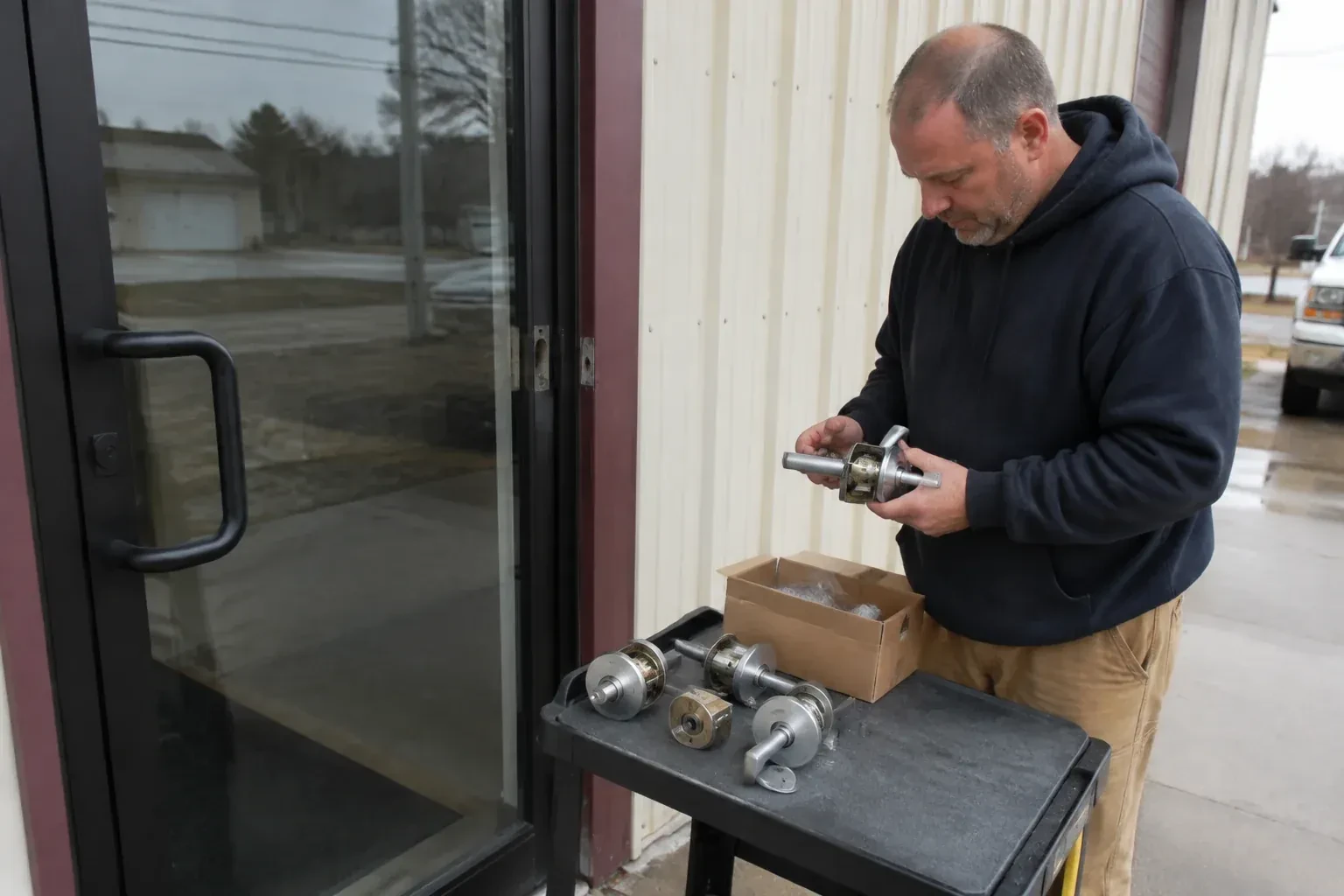
Running a shop or an office in Bramalea Woods means trusting a few people with a few keys. We help you keep track of who opens what: rekeying when staff move on, master key systems that make sense, sturdy commercial hardware on the back door, and exit devices so everyone can leave without hunting for a key.
Running a shop or an office in Bramalea Woods means trusting a few people with a few keys. We help you keep track of who opens what: rekeying when staff move on, master key systems that make sense, sturdy commercial hardware on the back door, and exit devices so everyone can leave without hunting for a key.
Careful work on every kind of lock.
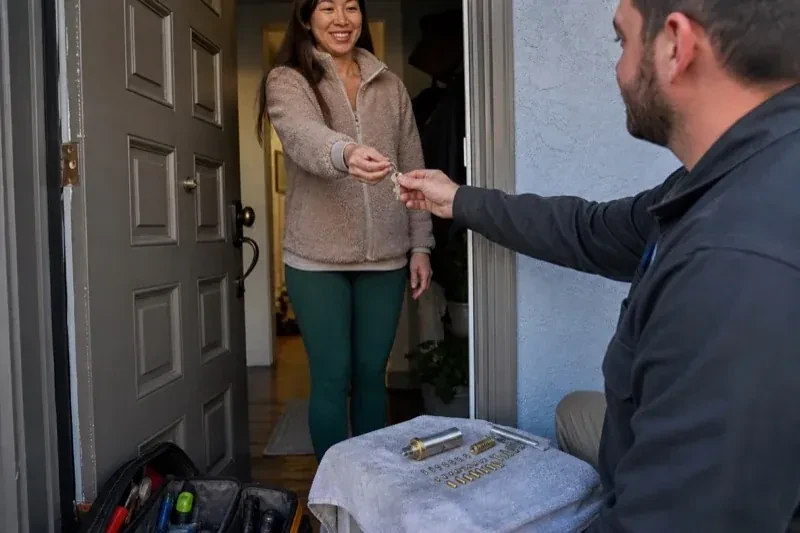
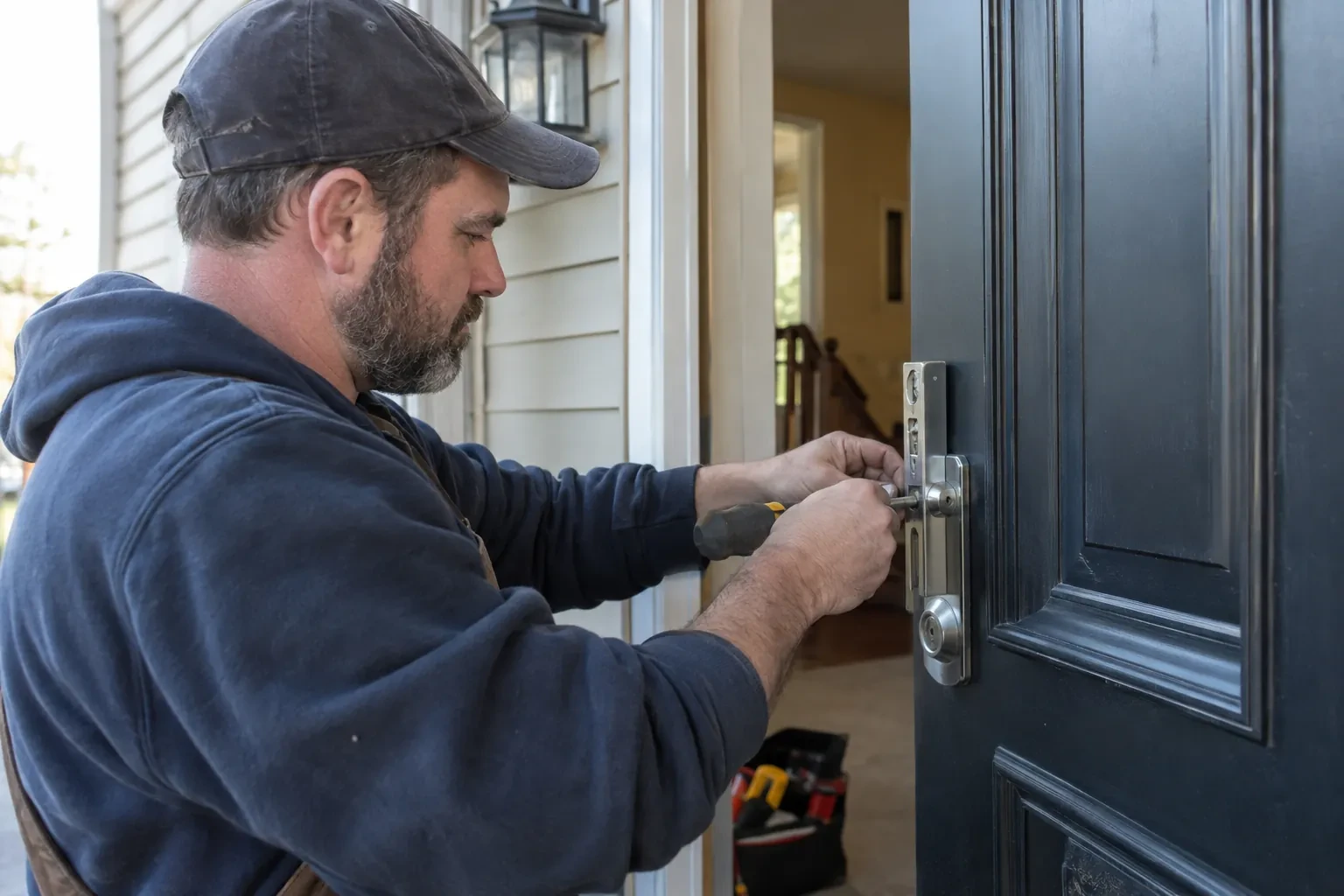
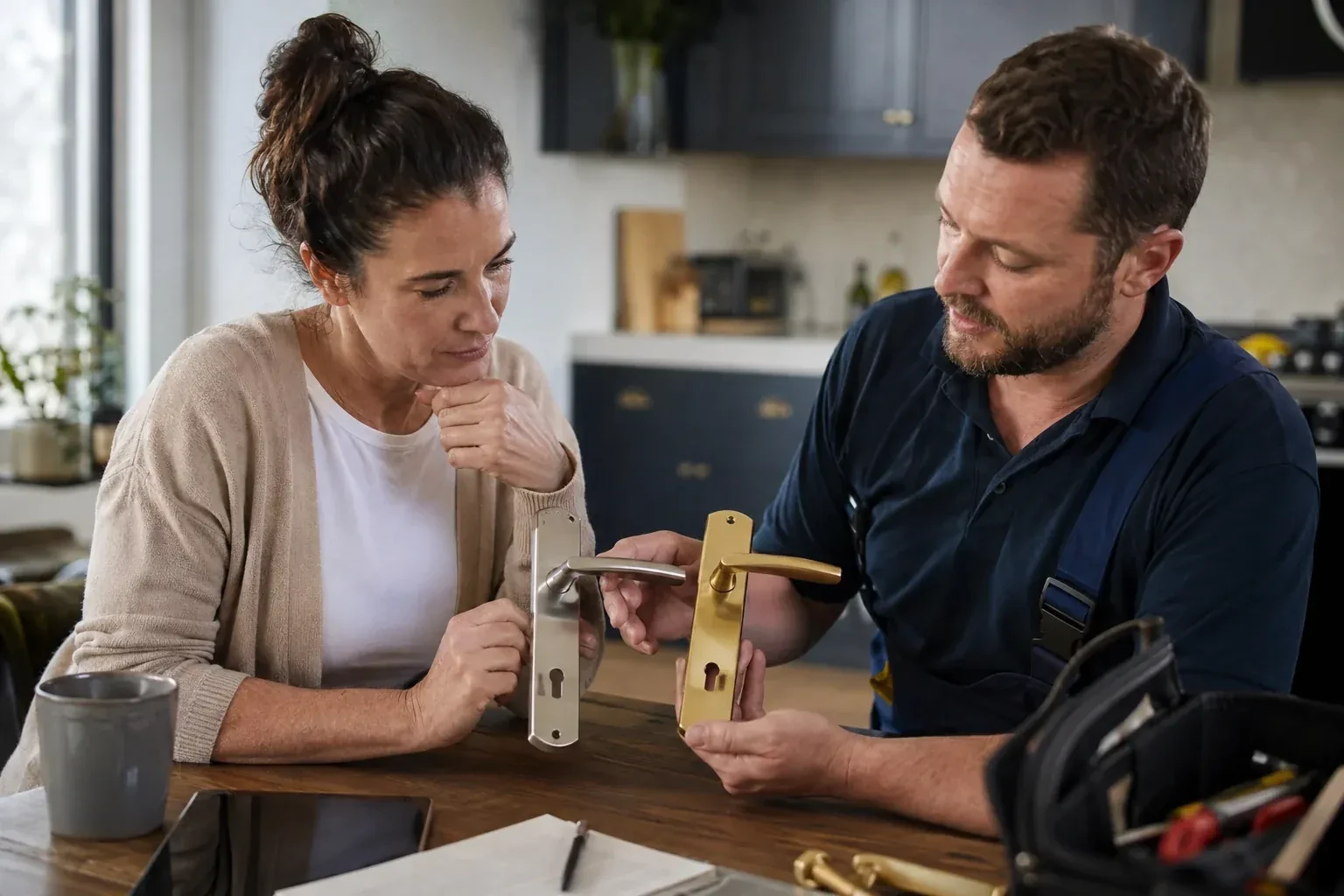
Before a locksmith opens any door in Bramalea Woods, he asks to see that it is yours: a piece of identification, a lease, an ownership paper, or a neighbour who can vouch. Most people are relieved by the question. The rest of the visit follows the same habit of care: explain each step, leave the frame and finish as we found them, and make sure the keys in your hand are the only ones that work.
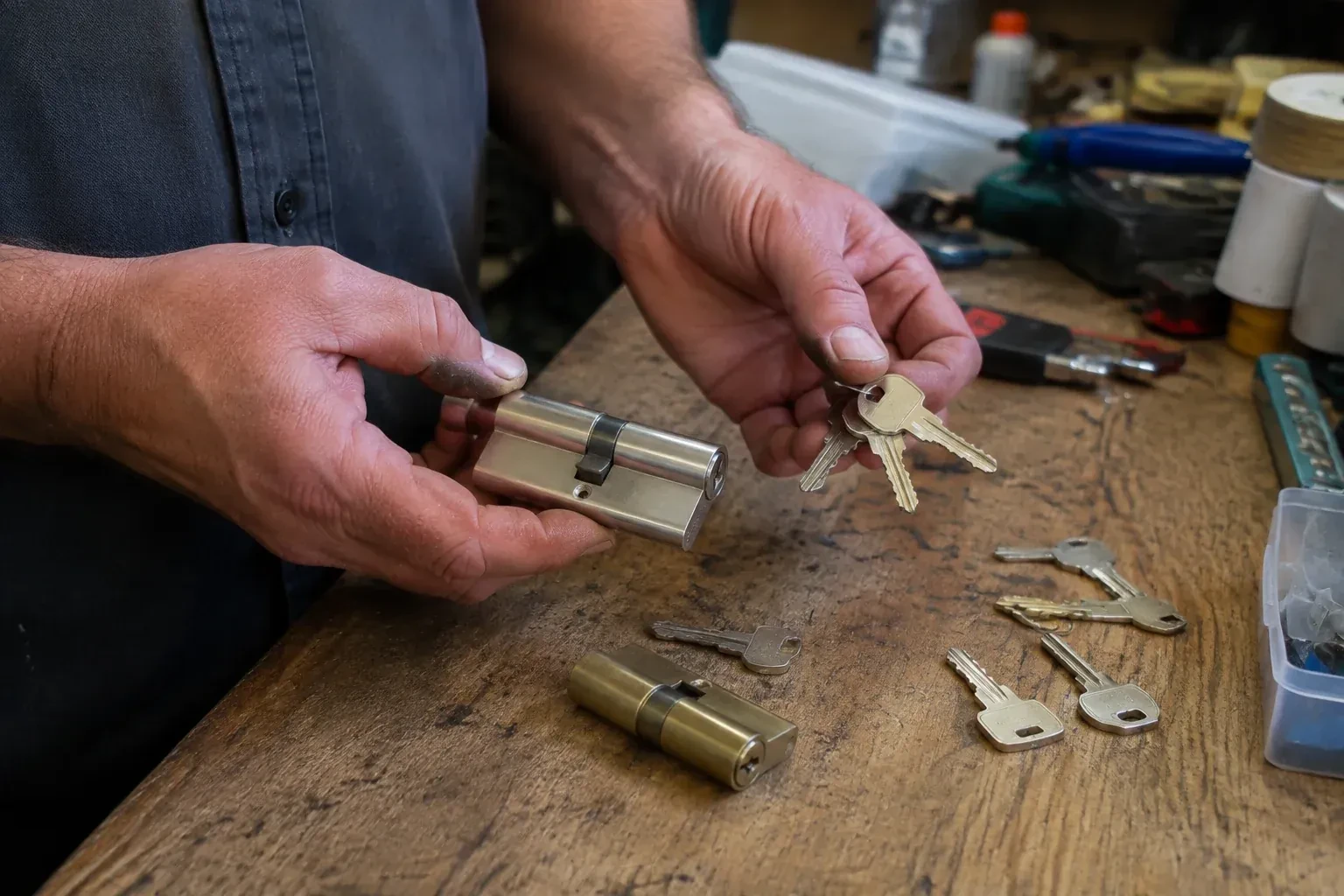
Moving into Bramalea Woods? Rekeying is the simplest way to be sure that only your keys work. We change the pins in each exterior lock, cut a fresh set and check that every door closes and latches properly while we are there. It is a short visit that removes a long list of unknowns about who else might have had a copy.
31years in business
24/7open every day
A straight assessment. If the lock is fine and the door just needs adjusting, we say so. If it has reached the end of its life, we say that too, and show you why.
Options laid out side by side. Repair, rekey, replace or upgrade, with what each involves and what it changes. You pick; we do not steer you toward the biggest job.
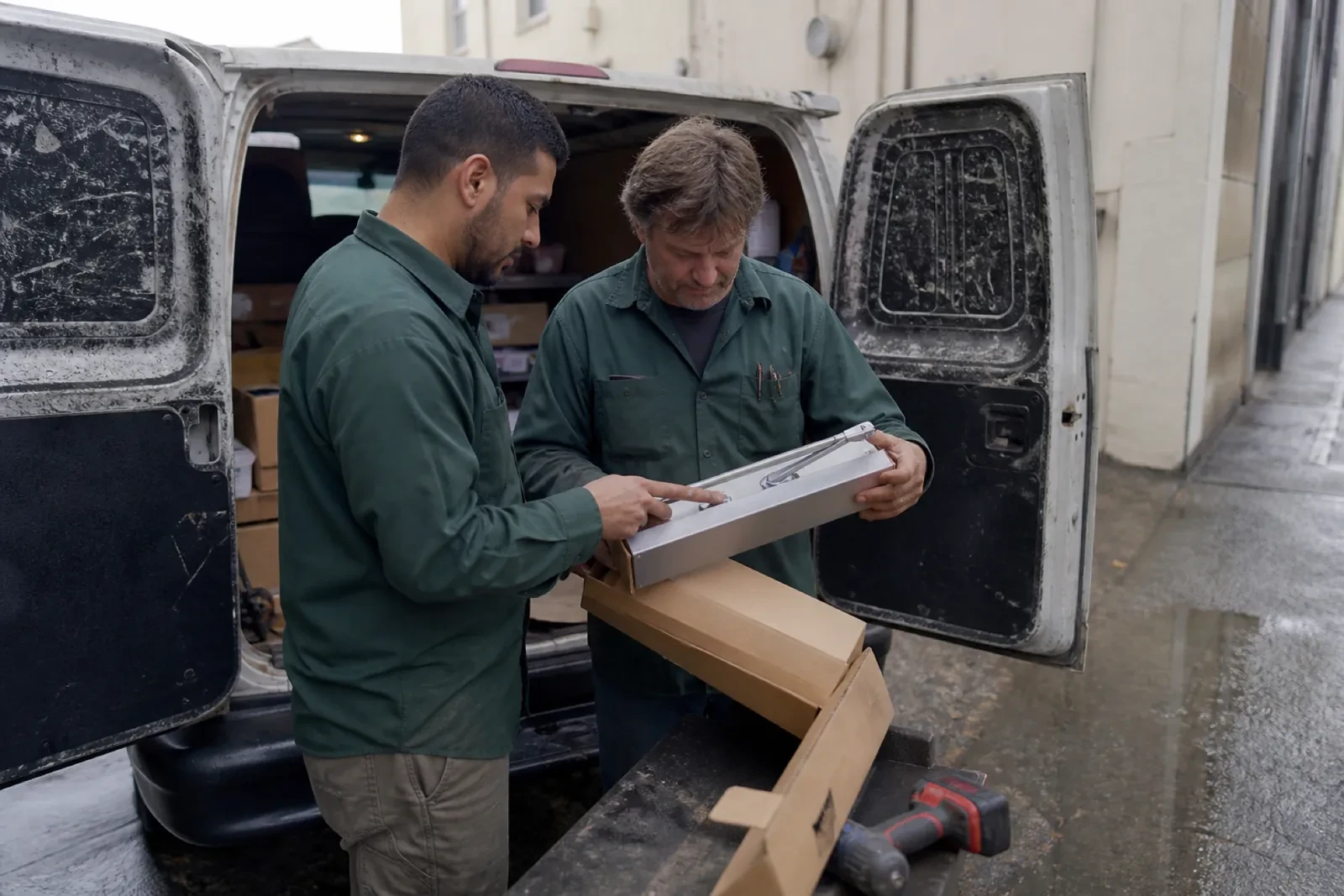
Finished, not nearly finished. Every key tested in every lock, every screw tight, every strike aligned, and the packaging in our van rather than your bin.
In Bramalea Woods the work spans everything on a door that turns, latches or bolts. Homes: lockouts, rekeys, replacements, deadbolts, smart locks, heritage hardware. Businesses: storefront locks, exit devices, closers, master key systems, safes. Read the service that fits and see how a visit runs from start to finish.
About 23% of homes in Brampton were built in 1980 or earlier, according to the 2021 Census.
Newer homes
During construction many people hold a key: framers, finishers, painters, the sales office. Where homes are new, rekeying the exterior doors to a fresh key is the tidy way to close that chapter, and it takes a single visit.
Single-detached houses make up about 53% of homes in Brampton (2021 Census).
Neighbourhoods of houses beside townhouses and low-rise buildings have a range of door constructions: solid wood, steel, fibreglass and metal-clad. A locksmith who works in such an area is used to fitting hardware to all of them without new holes.
Most forced entries go through the strike and frame, not the cylinder, so this group treats the door as one assembly: hardened bolt, deep strike, three-inch screws, sound hinges, and a cylinder that defeats picks and drills on top of all that.
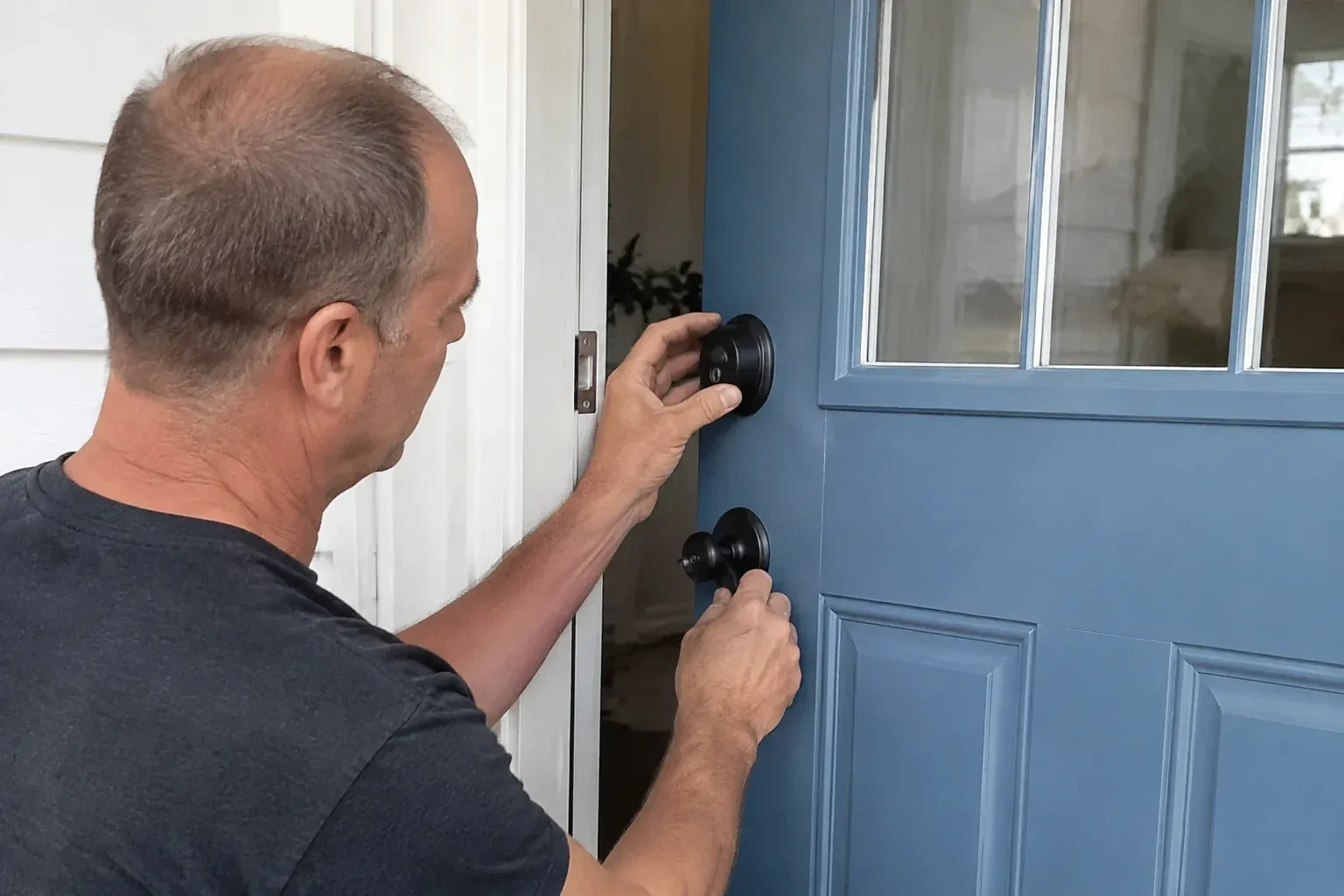
The house is fifteen years old and every exterior door still wears the light hardware the builder fitted: a short bolt, a thin strike held by two small screws, and a knob lock that never suited a street entrance.
A commercial door works harder than a house door. It opens hundreds of times a day, in all weather, for people who do not own it. The hardware and the key control have to reflect that, and this section explains how we approach both.
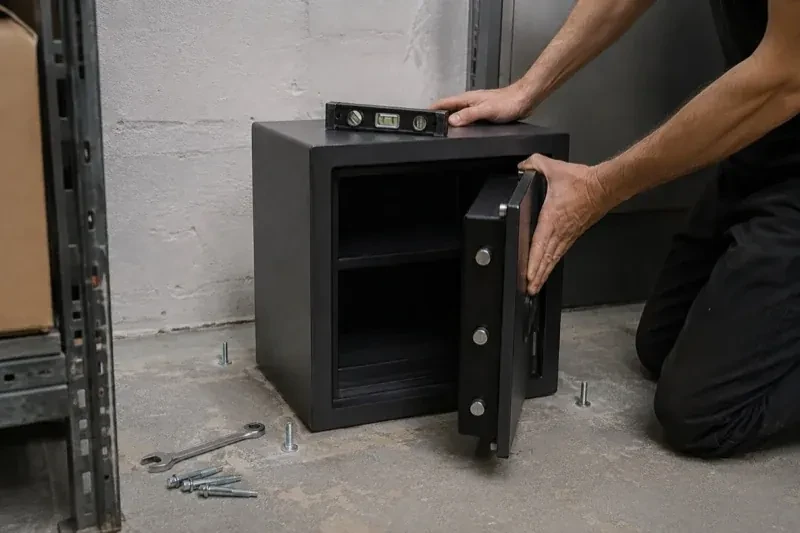
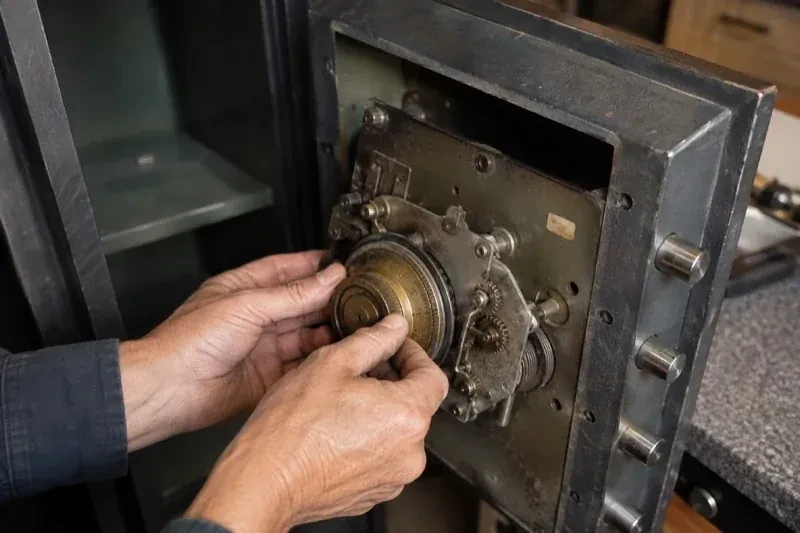
A safe sat in a late parent's basement for years, its combination known to nobody left in the family, and everyone would like to know what is actually inside it.
The keypad on the office safe blinks a low-battery warning every morning now, and whoever notices it first quietly hopes someone else deals with it before the batteries finally give out mid-week.
Which fix fits?
You came home to find the front door standing open.
WhySteel-clad and fibreglass doors, the common insulated entry doors in newer subdivisions, take a deadbolt happily as long as they are cut for it properly.
The gate to the side yard used to close with a satisfying click.
WhyA gate or door that will not latch is rarely just a lock problem; more often the hardware is being asked to catch a moving target.
The till drawer has been holding two days of cash because the new shop never got a proper safe, and a locked drawer under the counter is the only thing standing between that cash and anyone who works late.
WhyBusinesses call for this service for two different reasons that sometimes overlap: protecting cash held overnight, and protecting paper records that would be enormously slow to recreate.
You jiggle the key a little and the old deadbolt opens even when the cut does not look quite right.
WhyAccess control installation swaps a shared metal key for an electronic one: a card, a fob, a code, or a phone tap that a controller checks against a list the business manages.
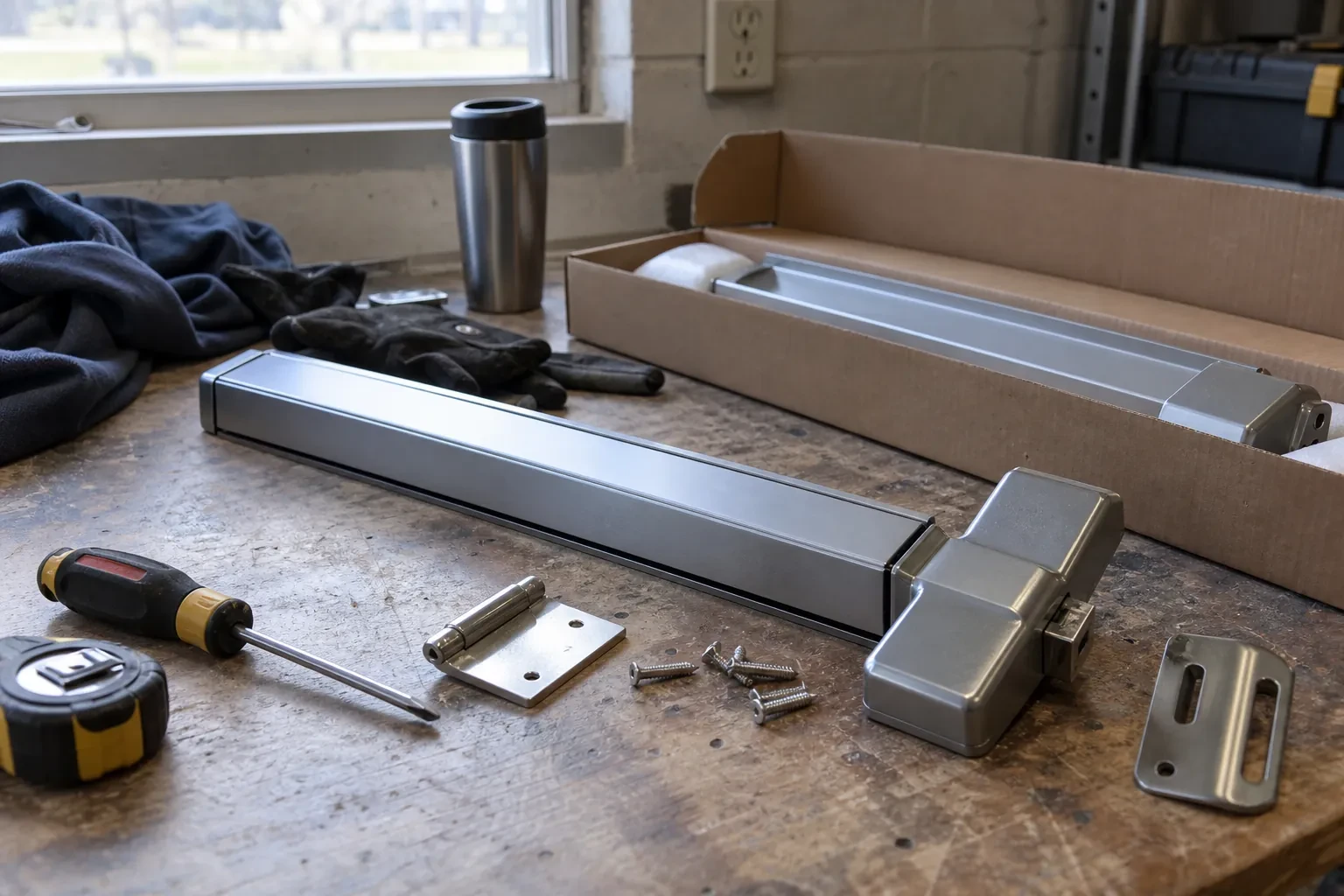
The fire inspector's note is blunt: the banquet hall's second exit still turns on a deadbolt, and the crowd it is rated to hold needs a door that opens under one motion, no key involved.
WhyUnderneath the plastic case, a fob is a small radio and, on most modern vehicles, a chip the immobilizer reads before allowing the engine to start.
Good days. Start with a turn.
1/9Break-In Damage Lock Repair
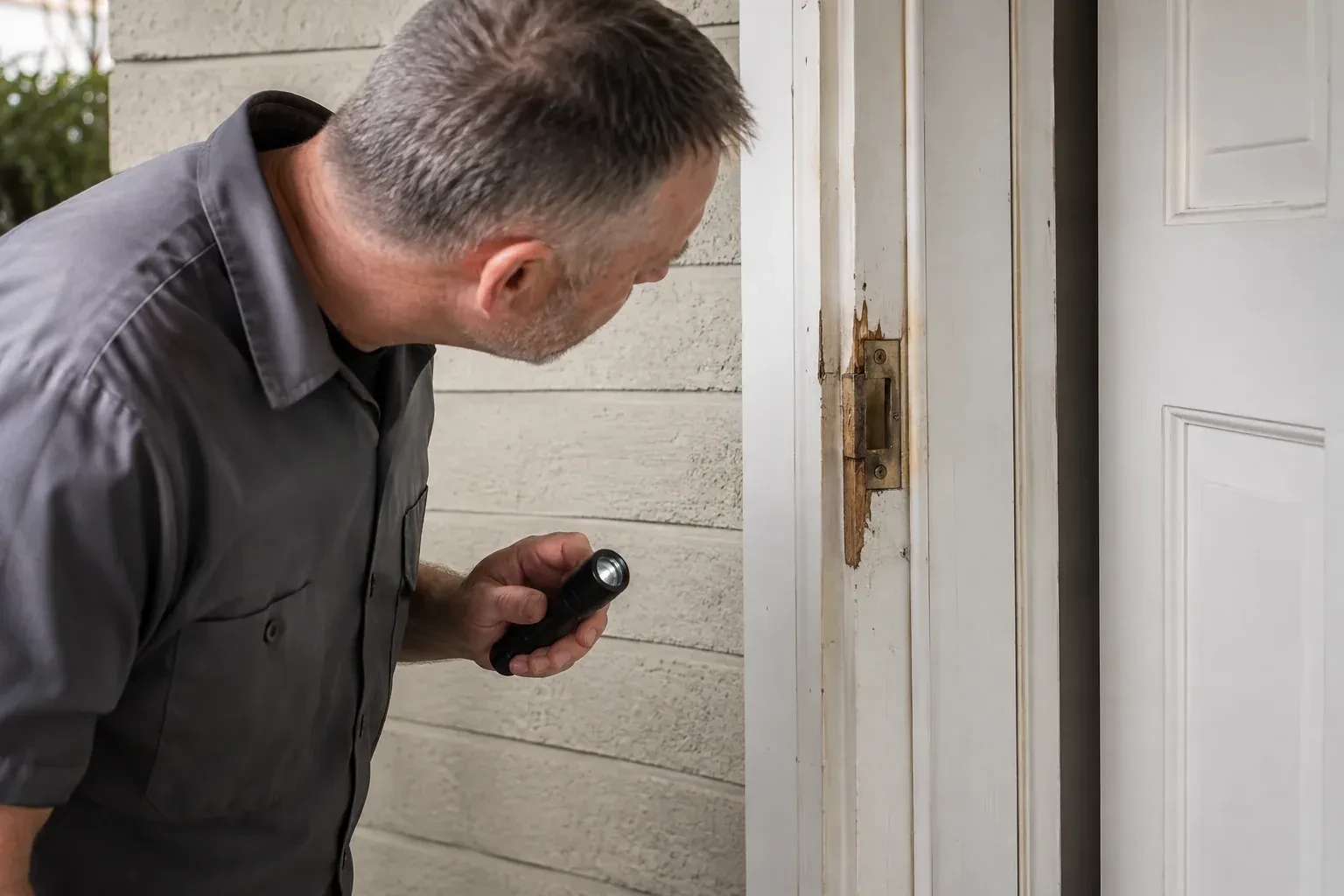
You came home to find the front door standing open. The deadbolt is still thrown, but the strike plate is dangling from one screw and a fist-sized piece of the jamb is lying on the hall floor.
A roommate moved out on bad terms and says the key was left on the counter. It was not. You have already changed the Wi-Fi password, but the front door still opens for a key that could be anywhere.
The back door has a deadbolt in name only: a short bolt, a thin brass strike held by two little screws, and a jamb you can flex with your palm. It was fine for a builder's showing. It is not fine for a laneway.
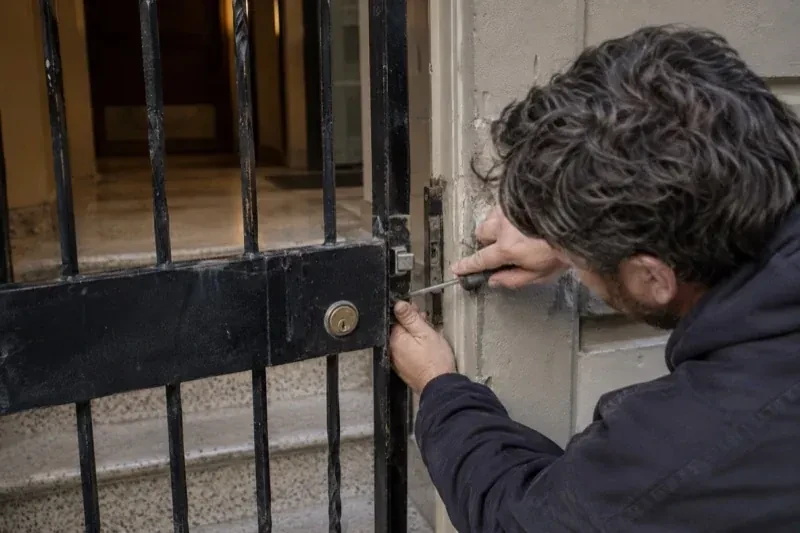
The gate to the side yard used to close with a satisfying click. After a winter of frost heaving the fence post, the latch now sits a full inch below where the strike is waiting for it, and the gate swings free no matter how hard it is pulled shut.
The till drawer has been holding two days of cash because the new shop never got a proper safe, and a locked drawer under the counter is the only thing standing between that cash and anyone who works late.
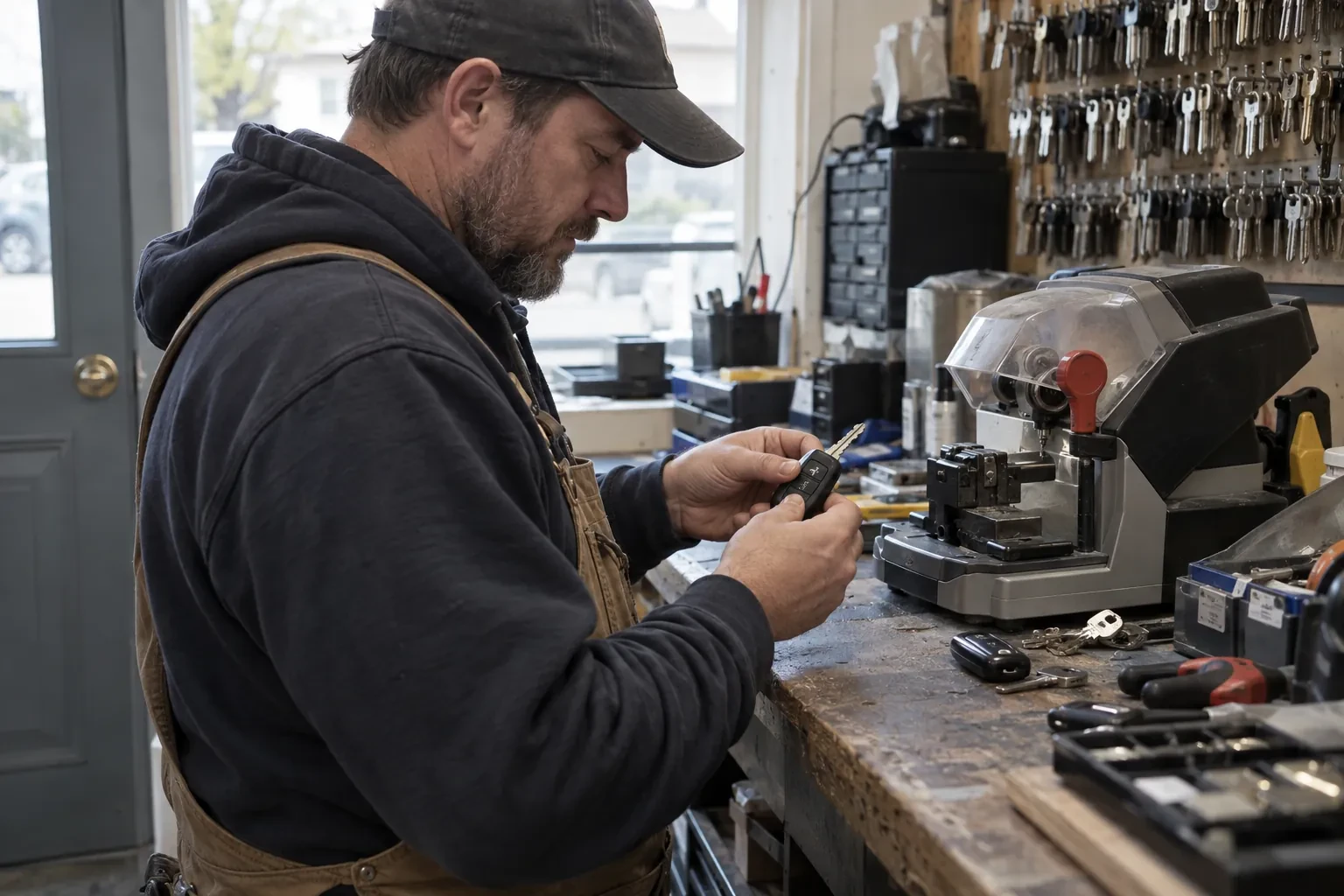
You jiggle the key a little and the old deadbolt opens even when the cut does not look quite right. If your worn key can do that, you wonder what a stranger with the right tools could do.
The team has grown past the point where one shared key still makes sense. New hires need a way in before a manager arrives, and the current setup cannot tell one person's entry from another's.
The fire inspector's note is blunt: the banquet hall's second exit still turns on a deadbolt, and the crowd it is rated to hold needs a door that opens under one motion, no key involved.
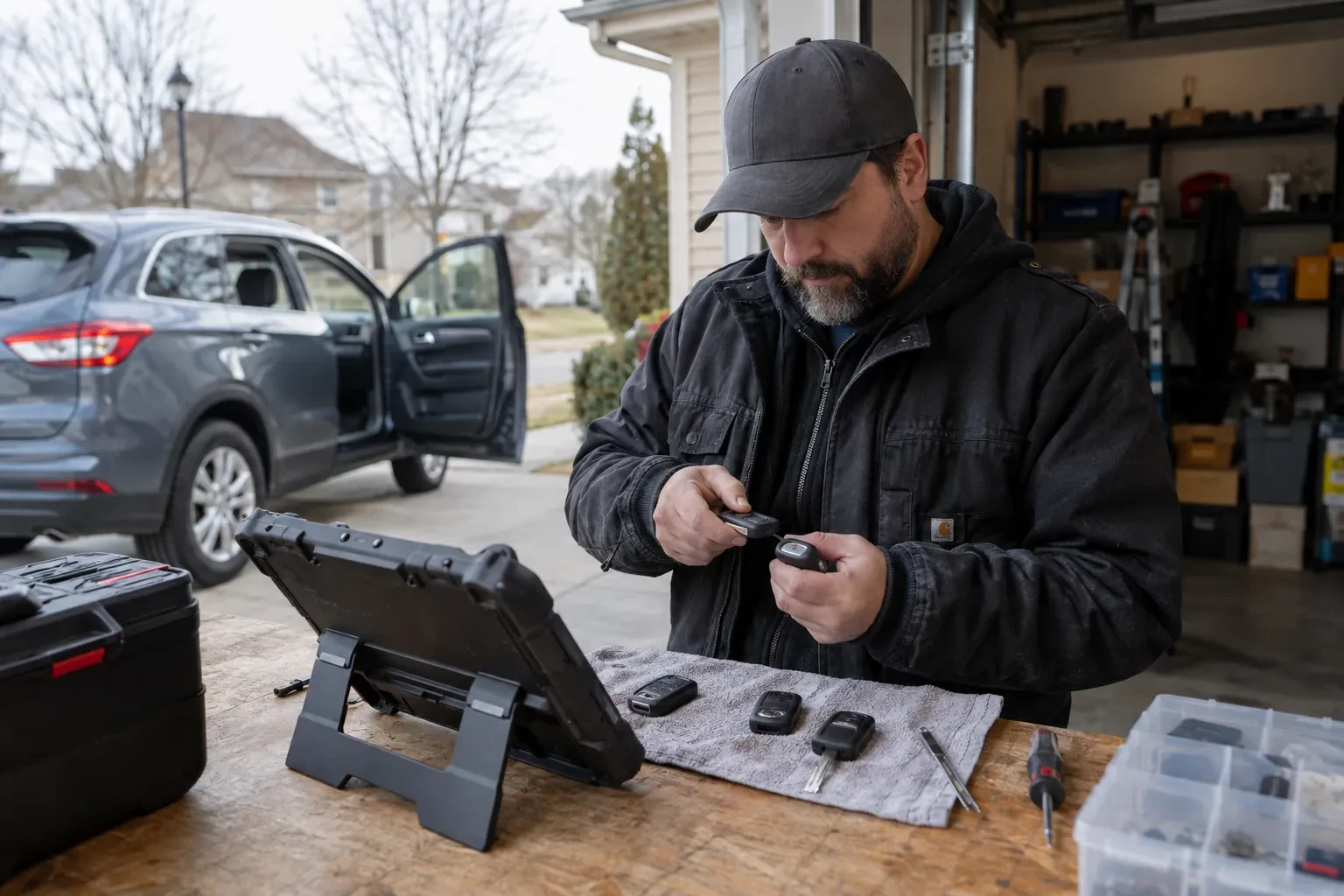
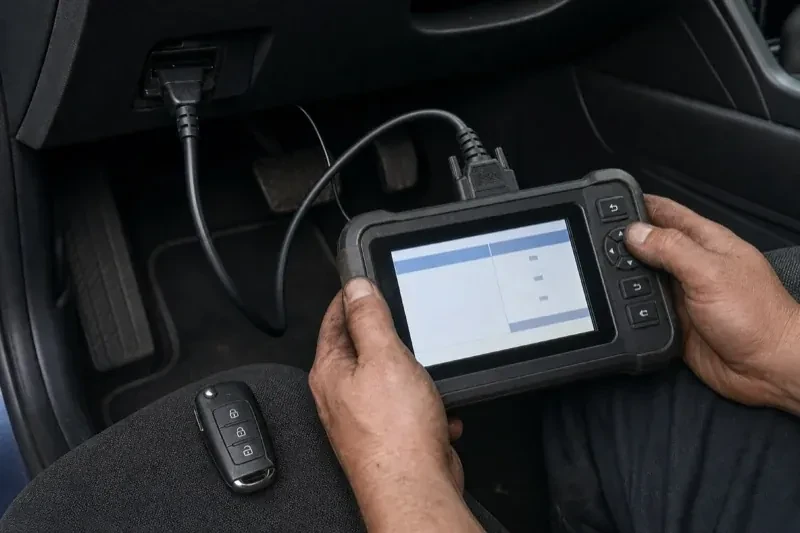
The remote clicks the way it always has, but the vehicle no longer locks, unlocks or answers with its usual chirp. Nothing on the dash reacts either. A fading battery inside the fob is the likely reason, even though the fob itself looks and feels completely normal.
My condo entry door is a fire-rated door. Does that change the repair?
Yes, in a good way. A suite door that opens onto a corridor is meant to close and latch on its own every time, so the repair uses hardware suited to a labelled fire door, keeps the self-closing device adjusted and operating, and adds no holes or plates the label does not allow. The building's manager is normally involved, and the locksmith works with the door's rating rather than around it.
Does stamping keys 'do not duplicate' stop copies?
It asks; it does not compel. The stamp is a request that a key-cutting counter may or may not honour, and manufacturers say as much. Real control comes from a restricted keyway, whose blanks are issued only through authorised channels against a key card, or simply from knowing how many keys exist and who holds them. A rekey resets that count to a number you chose.
Does the finish of the deadbolt matter beyond looks?
It does on an exposed door. Winter salt spray, summer sun and humid air all work on the outside trim, and residential deadbolts carry a finish grade that reflects how well the coating resists them. A lifetime or PVD-style finish stays bright longer on a south-facing or roadside door, while a sheltered porch door can carry any finish you like. Matching the knob or lever below is mostly a matter of taste.
How should I look after a gate lock so it keeps working?
Twice a year, work the lubricant the cylinder maker specifies into the keyway and cycle the key a few times; the wrong product for that model can collect grit or gum up the mechanism instead of helping it. Check that the closer still settles the gate into the latch without slamming, and look at hinges or post hardware for movement, especially after a hard winter. A cylinder that starts needing a wiggle, or a gate that has begun to drag, is worth addressing while it is still a small adjustment.
Can the combination or code be changed after installation?
Yes, on both mechanical and electronic locks. A mechanical dial is reset to a new combination by working inside the lock body, while an electronic keypad is simply reprogrammed at the keypad or through its service menu. Changing it after a change in staff, a move, or simply out of caution is routine work rather than anything unusual, and it can be arranged as its own visit.
What are the hardware grades I see on the packaging?
Locks and deadbolts are tested against industry standards for security, durability and finish. Commercial hardware is graded 1, 2 or 3 with grade 1 the highest. Residential hardware carries a letter label for each of the three categories, from C for good through B to A for the top level. Security tests include hammer blows and pulling on the lock; durability covers cycle life and seasonal misalignment; finish covers salt, humidity and scratching. Your locksmith translates the label for your door.
Does a door still need a mechanical key at all once it's on the system?
Not always — it depends on the hardware chosen for that door. Where a mechanical override cylinder is fitted and keyed in, it can still be opened by key regardless of what happens to the electronics, the network, or the power supply, and it is meant as a backup rather than a daily habit, since using it routinely bypasses the entry record the system is there to keep.
Can I add a request-to-exit switch for my access-control system?
Yes. A request-to-exit switch is wired to signal the access-control panel that the pushpad or crossbar was actuated. Telling that apart from a forced or propped door usually means pairing it with a door-position contact and the panel's own logic, since the switch on its own only reports that the hardware was used. It sits alongside the mechanical device without changing how the crossbar or touchpad works, so the door still releases under a push even if the access-control system loses power.
Does key fob programming use my car's diagnostic port?
On most vehicles, yes. The same connection point used for other vehicle diagnostics is typically how a fob's registration procedure communicates with the car's onboard systems. A few older or simpler key systems are programmed through a different in-car sequence instead, which is one more reason the vehicle's year and model are checked before the procedure begins.
Request a visit
Before a locksmith opens any door in Bramalea Woods, he asks to see that it is yours: a piece of identification, a lease, an ownership paper, or a neighbour who can vouch. Most people are relieved by the question. The rest of the visit follows the same habit of care: explain each step, leave the frame and finish as we found them, and make sure the keys in your hand are the only ones that work.