High security · Bramalea Woods
High Security Locks in Bramalea Woods
A colleague showed you a video of a lock being opened with a bump key in a few seconds.
In plain words
For a business, high security locks are as much about paperwork as metal. A restricted or patented key system registers the premises with the locksmith, names who may order keys, and numbers every key cut. That is what turns a lost staff key from a mystery into a line in a log. The hardware backs it up: cylinders with sidebars and hardened inserts, heavy-duty deadbolts or mortise locks, and strikes set into the structure. Where several doors are involved the keys can be arranged so a manager carries one key and staff carry keys that open only their own areas.
How the visit goesYou jiggle the key a little and the old deadbolt opens even when the cut does not look quite right. If your worn key can do that, you wonder what a stranger with the right tools could do.
High Security Locks
How the visit goes
Door, hinges and what surrounds them
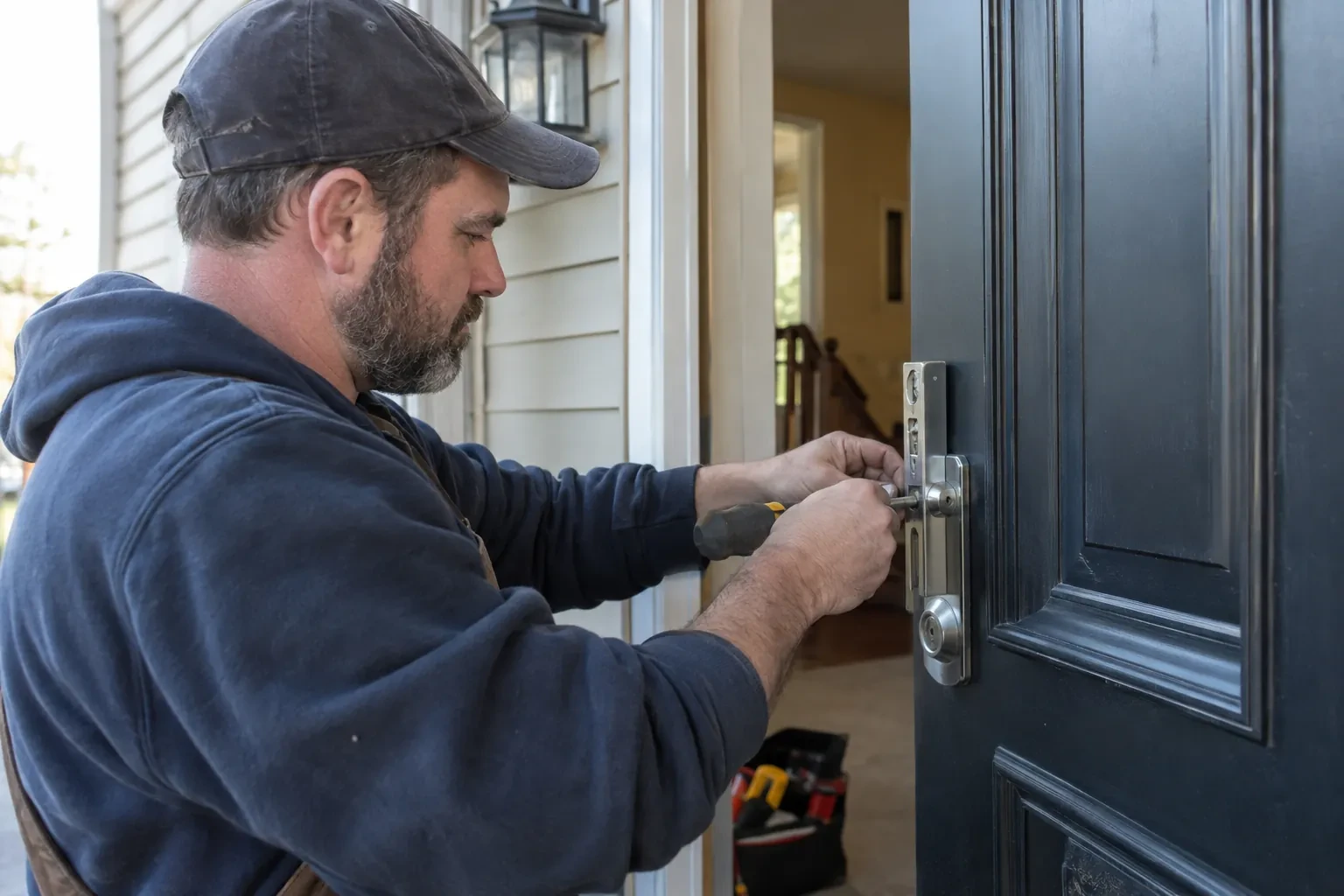
The door itself is inspected as part of the lock. Hollow-core doors, thin panels beside the lock, and hinge screws that barely bite into the frame all undo the value of a strong cylinder. The locksmith checks how the door hangs, whether it drags or needs a shoulder to close, and whether the hinges are on the secure side. Glass close to the lock is noted, because a hand through a broken sidelight can reach an inside thumb-turn. None of this rules out an upgrade; it shows which supporting pieces belong in the plan so the whole opening is brought up together.
Reinforcing the strike and frame
The strike is where a forced door actually fails, so it gets serious attention. The stamped plate comes off and the pocket is deepened to accept a box strike or a long reinforced strike, fastened with three-inch screws that pass through the jamb into the wall framing. Stripped or split wood is filled and doweled first so the screws have something to hold. Where the frame is thin, a wrap-around reinforcer around the door edge and a full-length jamb plate are options. The result is a bolt that ties the door into the house rather than into a strip of trim.
Watching the patent calendar
Patented keyways protect you for as long as the patent lasts. When it expires, blanks may be sold openly and the copy-control layer weakens, though the mechanical resistance of the cylinder stays. The locksmith notes the patent term of your system at handover so the date is not a surprise. Many years before it arrives, the same hardware can usually be moved to a newer patented keyway by changing cylinders and keys while the lock bodies stay. Treat it like a roof: nothing needs doing for a long while, but the date is written down.
High Security Locks
In the van
Pinning kit and plug follower
Wrap-around door reinforcer
High-security cylinder
Graded deadbolt with hardened bolt
Reinforced strike plate
High Security Locks
What affects the quote
Master keying
Arranging staff keys, area keys and a manager key on one system takes bench time to plan and pin, and the more levels you want, the more careful that planning is.
Exit devices and closers on the same door
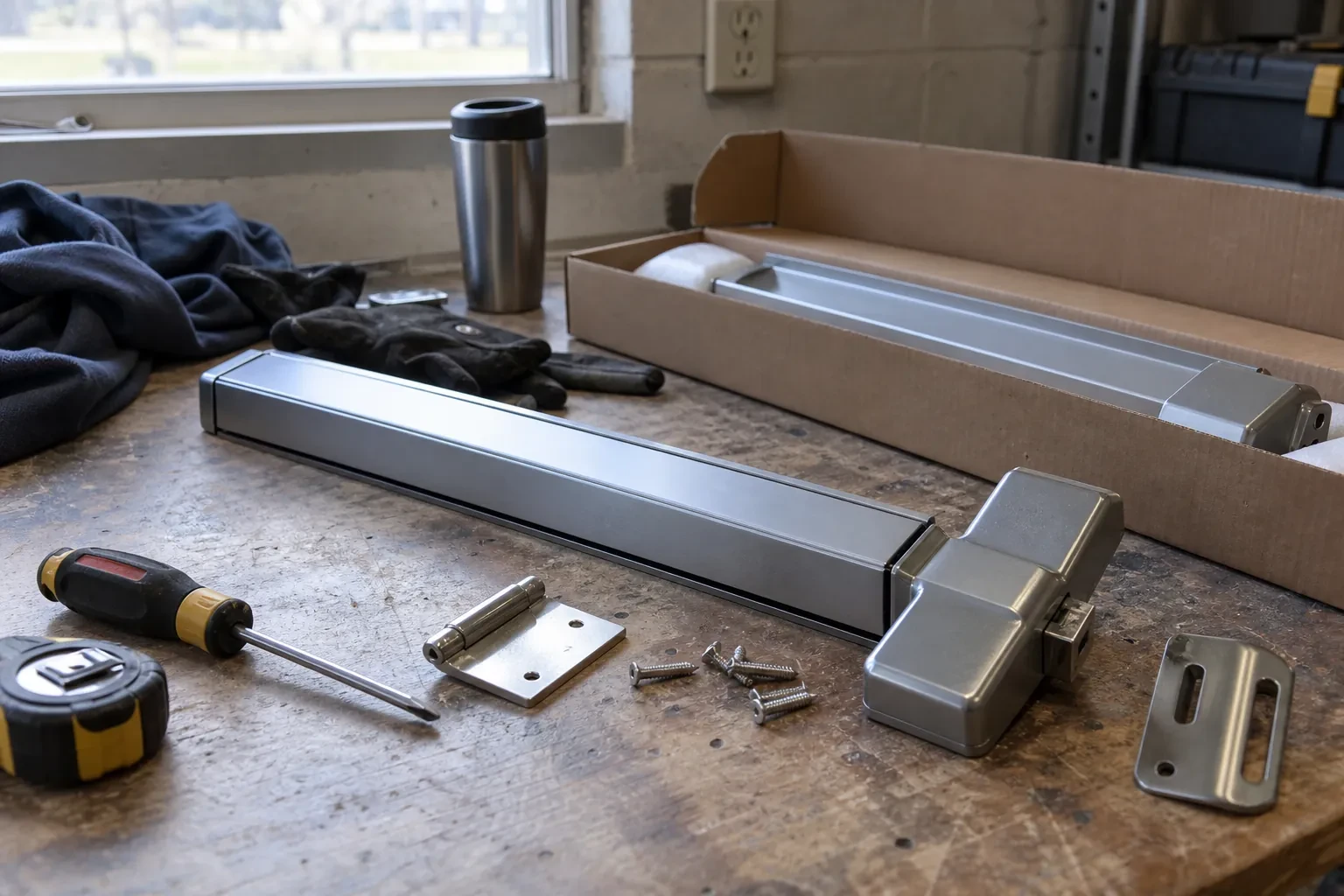
Where a commercial door carries a push bar or closer, the new lock must work with them, and adjusting or replacing that hardware is part of the same visit.
Documentation and registration
Setting up the key register, recording signatories and providing a written schedule of cylinders and keys is real work on a business system and is listed rather than hidden.
What to have ready
- Is there a window or sidelight within reach of the lock?
- Is this a house, condo, rental unit or business premises, and do you own or manage it?
- How many exterior doors do you want included?
High Security Locks: questions
QuestionsDo high security locks need special maintenance?
Only light care. Use the dry lubricant the locksmith recommends once or twice a year, never oil, which gathers grit around the finger pins and sidebar. Keep the keyway free of debris and insert the key fully before turning. In winter, warm a resisting key in your hand or use a de-icer rather than forcing it. Check hinge and strike screws each season so the door stays aligned. Treated this way the cylinder lasts for decades.
What are the hardware grades I see on the packaging?
Locks and deadbolts are tested against industry standards for security, durability and finish. Commercial hardware is graded 1, 2 or 3 with grade 1 the highest. Residential hardware carries a letter label for each of the three categories, from C for good through B to A for the top level. Security tests include hammer blows and pulling on the lock; durability covers cycle life and seasonal misalignment; finish covers salt, humidity and scratching. Your locksmith translates the label for your door.
How do I order extra keys later?
An authorised person contacts the locksmith who holds your system, quotes the system reference, and the key is cut from code and numbered into the register. Some systems use a physical authorisation card, others an online validation, and business systems often require a signature that matches one on file. The key is collected or delivered, and the record shows the new total. It is deliberately not something a stranger with your key can do.