Lockouts · Brampton
Home Lockout Service
After a week of humid weather the back door has swollen in its frame.
In plain words
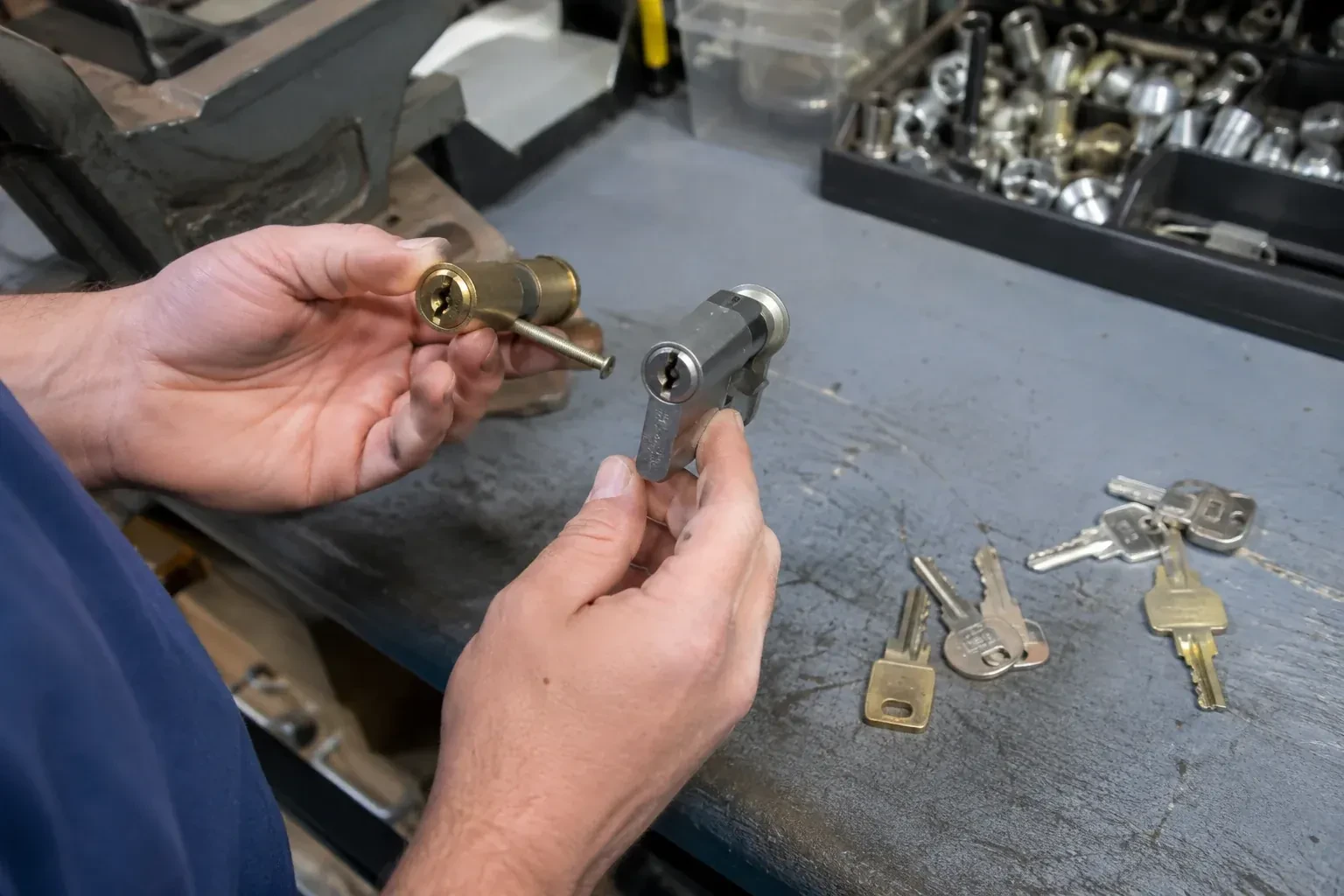
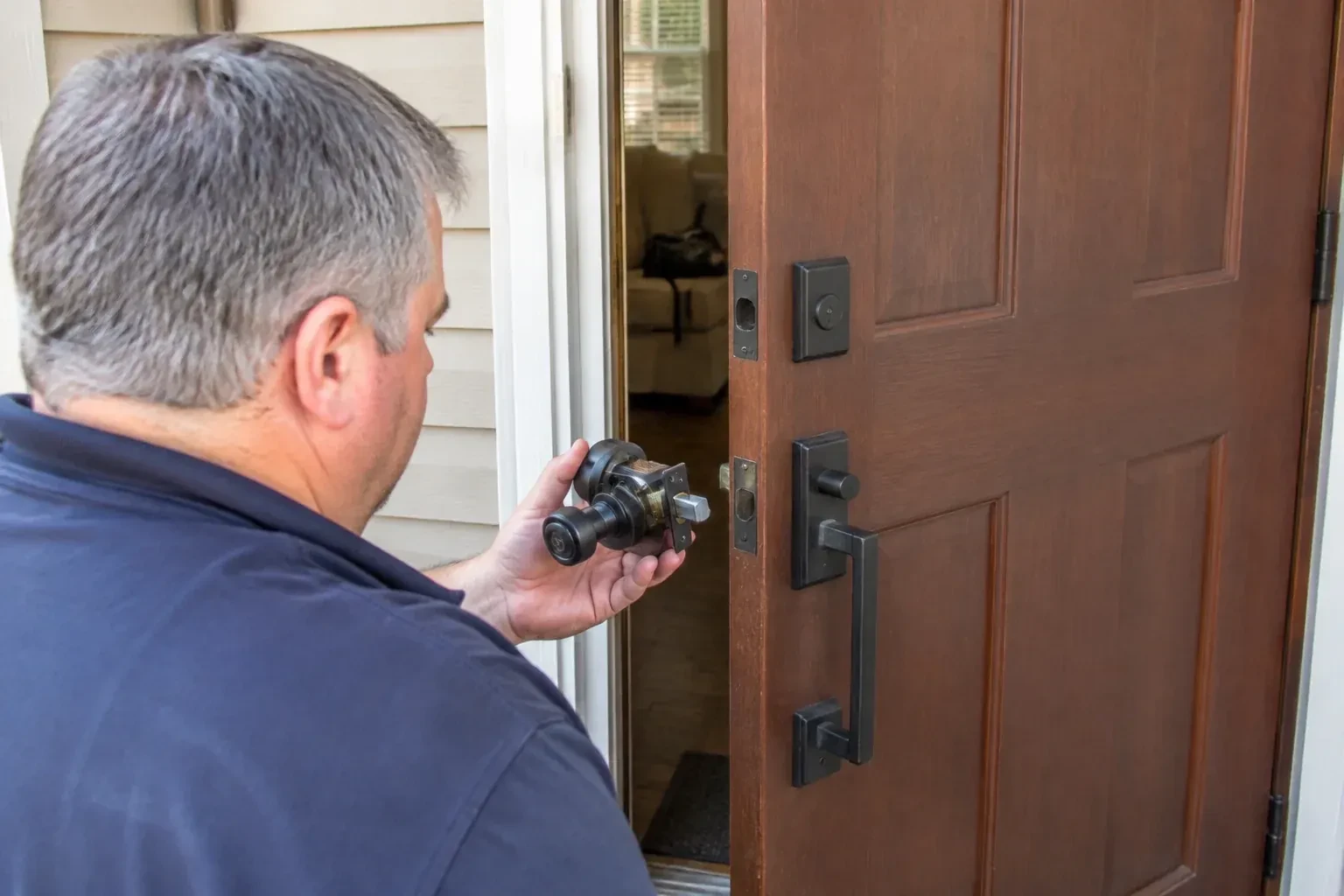
Most lockouts end with the original lock still on the door and still working. That is the point of professional entry: picks, tension tools, decoders and latch tools are designed to operate the mechanism the way a key would, without cutting or prying anything. Drilling is reserved for cylinders that will not yield, and when it is the only route the locksmith says so before starting and fits a replacement cylinder in the same visit so you are never left with a hole where a lock used to be. You keep your hardware, your finish and your existing keys whenever the situation allows.
How the visit goesYou reached the front step with the groceries, patted every pocket twice, and the house key is simply not there. It was on the ring this morning. Now the door is locked, the lights are off, and nothing you have on you opens it.
Home Lockout Service
How the visit goes
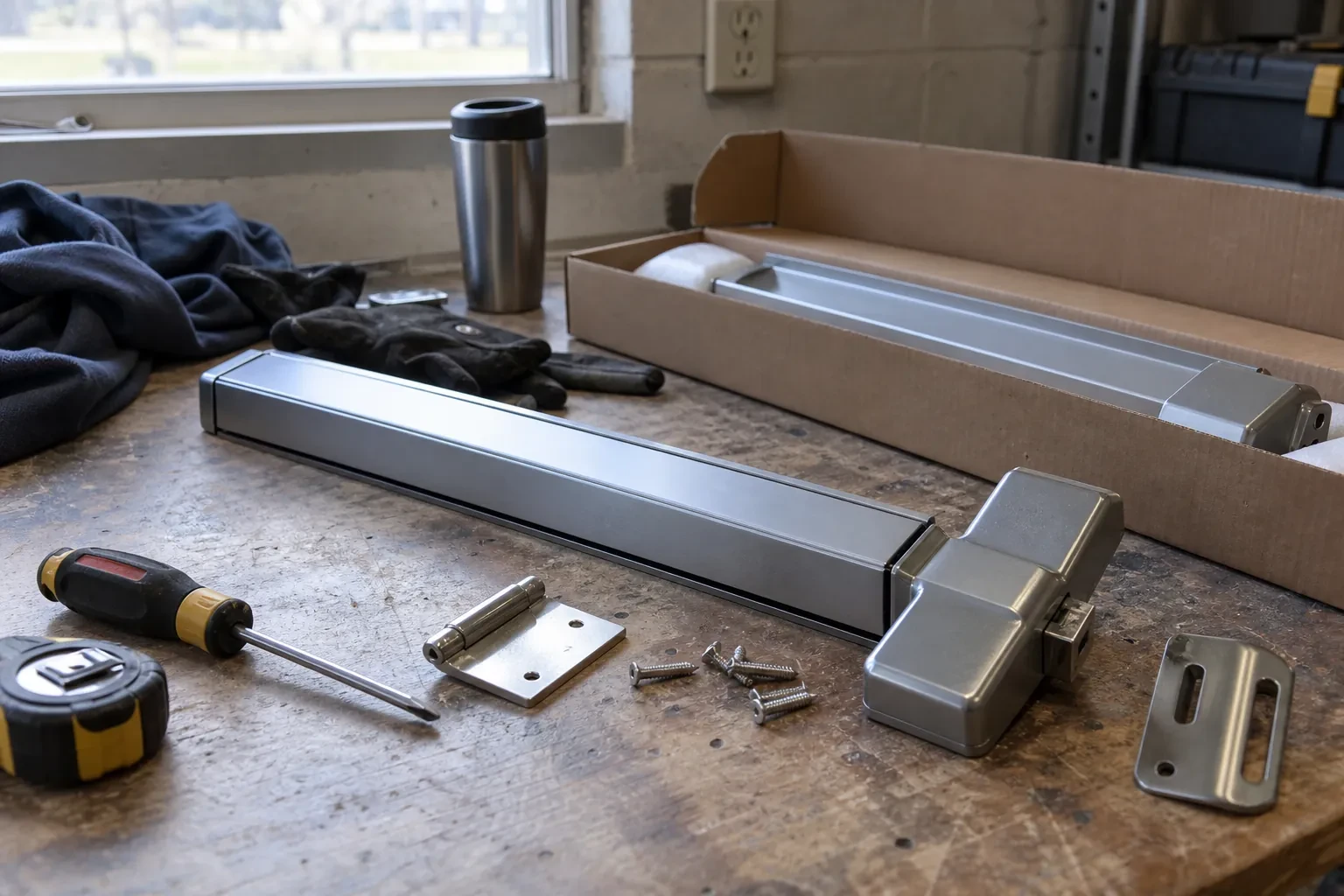
Is it the lock or the door?
A surprising number of lockouts are really door problems. The locksmith checks how the door sits in its frame: whether it has dropped on tired hinges, swollen with summer humidity, or shrunk in dry winter air so that the bolt no longer lines up with its pocket in the strike plate. A hand on the door while the key is turned often reveals the bolt binding against the strike rather than a failed cylinder. Sorting this out first matters because a door that is pinched in its frame needs pressure relieved, not a lock picked, and the fix afterwards is a strike adjustment or a hinge screw rather than new hardware.
Freeing a frozen cylinder
Ice is handled with patience rather than force. The locksmith applies a lock de-icer or warms the cylinder face gently so the meltwater inside turns back to liquid and drains, then works the key or a pick in small movements until the plug turns freely. Hot water is never poured on the lock, because it refreezes in the keyway and can crack a cold cylinder. Once open, the cylinder is dried and given the lubricant that model's maker approves, a dry graphite, PTFE or specified liquid product, applied sparingly since too much can gum the mechanism. If the door itself had frozen to its weatherstripping, that seal is cleared and checked too.
Looking after the cylinder afterwards
A lock that has just been opened deserves a little care so it keeps turning sweetly. Twice a year, follow your lock's own maintenance guidance: many residential cylinders take a puff of dry graphite or PTFE lubricant into the keyway, some a specified liquid product instead; general-purpose oil sprays attract dust and gum the pins. Wipe grit off your keys before using them, and retire a key that has worn thin or bent, cutting a new one from the code or from a crisp original rather than from a tired copy. If the key starts to need a wiggle to turn, that is the cylinder asking for attention early, while it is still an easy fix rather than a lockout.
Home Lockout Service
In the van
Plug spinner
Lock de-icer
Replacement cylinder or deadbolt
Pick and tension tools
Latch and bypass tools
Home Lockout Service
What affects the quote
Getting to the door
A ground-floor house door is straightforward. A unit up several flights, a building with a locked lobby and no concierge, or a gated property where the gate is also locked adds steps that the quote takes into account.
Number of new keys cut
Keys cut on site are counted into the quote individually. Two for a couple, five for a family with teenagers and a dog walker: say how many you want and the total follows.
Any upgrade you choose while the locksmith is there
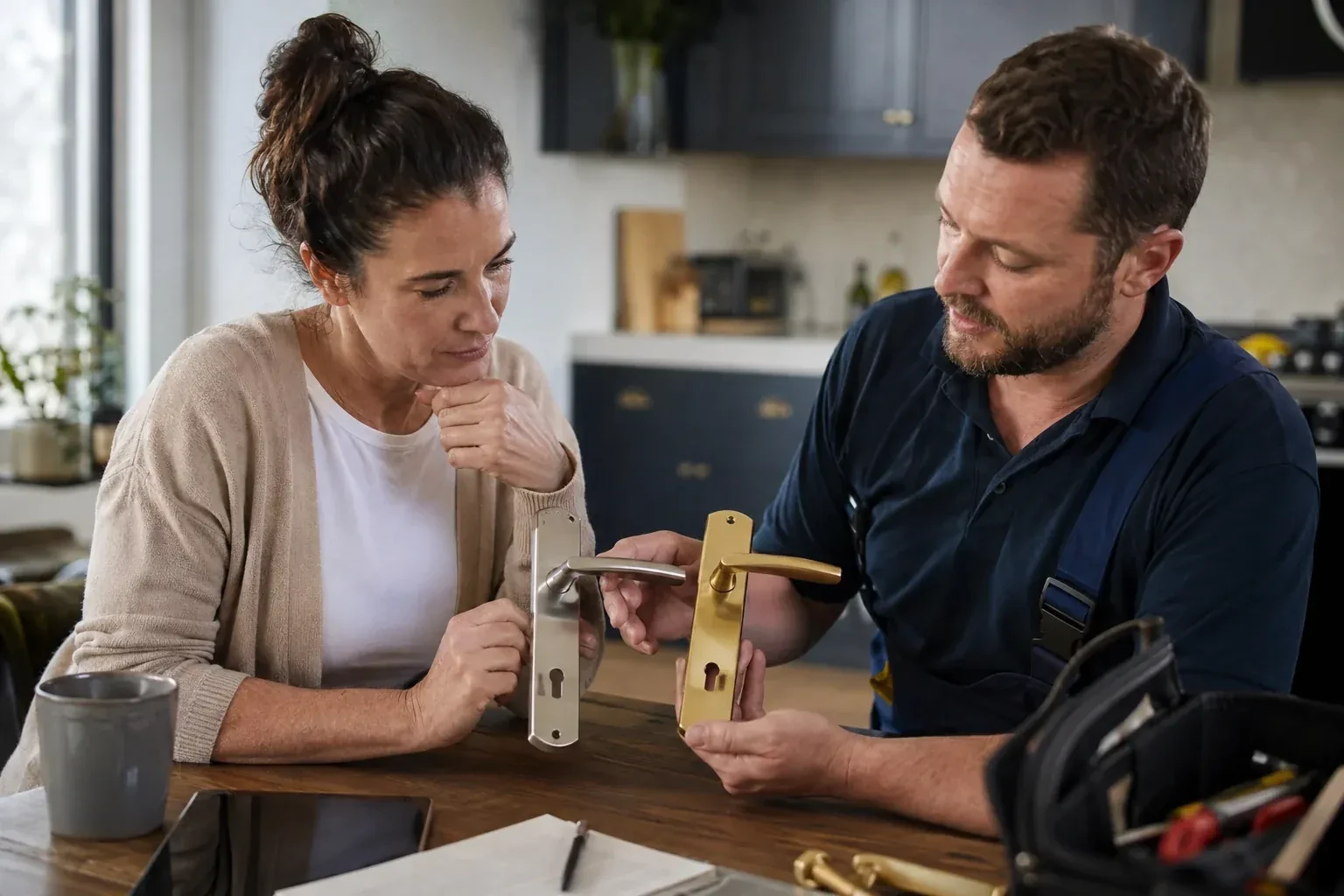
Some people use the visit to move to a heavier deadbolt, a reinforced strike, a keypad or a lockbox. None of it is required to get you inside; each option is priced as a separate line.
What to have ready
- Is the lock a keypad or smart lock, and does it have any power left?
- Is the door swollen, sagging or hard to close even when it is unlocked?
- Do you own the home, rent it, or manage it for someone else?
Home Lockout Service: questions
QuestionsI am a landlord. Can you open a unit my tenant is living in?
A locksmith will want to understand the situation first, because a tenant's right to their home is protected and a lockout of a tenant is something only a sheriff enforcing a Landlord and Tenant Board order may carry out. Legitimate reasons do come up: a tenant has asked you to let them in, a vacated unit needs securing, or an emergency requires access. Bring ownership records and be ready to explain the circumstances, and the locksmith will help you handle it properly.
What happens if my identification is not convincing enough on the spot?
The work pauses rather than proceeds, and the locksmith helps you find another route: a neighbour or building manager who can confirm you live there, a document on your phone, a family member who can bring paperwork, or completing the check inside after entry when the documents are behind the door. Verification protects you as much as anyone, because the same standard applies to whoever might one day claim to live at your address.
Can a frozen lock be opened, and how do I stop it freezing again?
Frozen cylinders open well with patience: lock de-icer or gentle warming melts the ice so the plug turns, and the cylinder is then dried and treated with a dry lubricant that sheds moisture. Hot water is avoided because it refreezes and can crack cold metal. To prevent a repeat, keep a storm door closed over the main lock, fit a keyhole cover on exposed side doors, and carry a small de-icer in your coat or car through the freeze-thaw months.