Change or rekey · Brampton
Lock Rekeying
Your basement tenant has given notice, and a new one arrives on the first.
In plain words
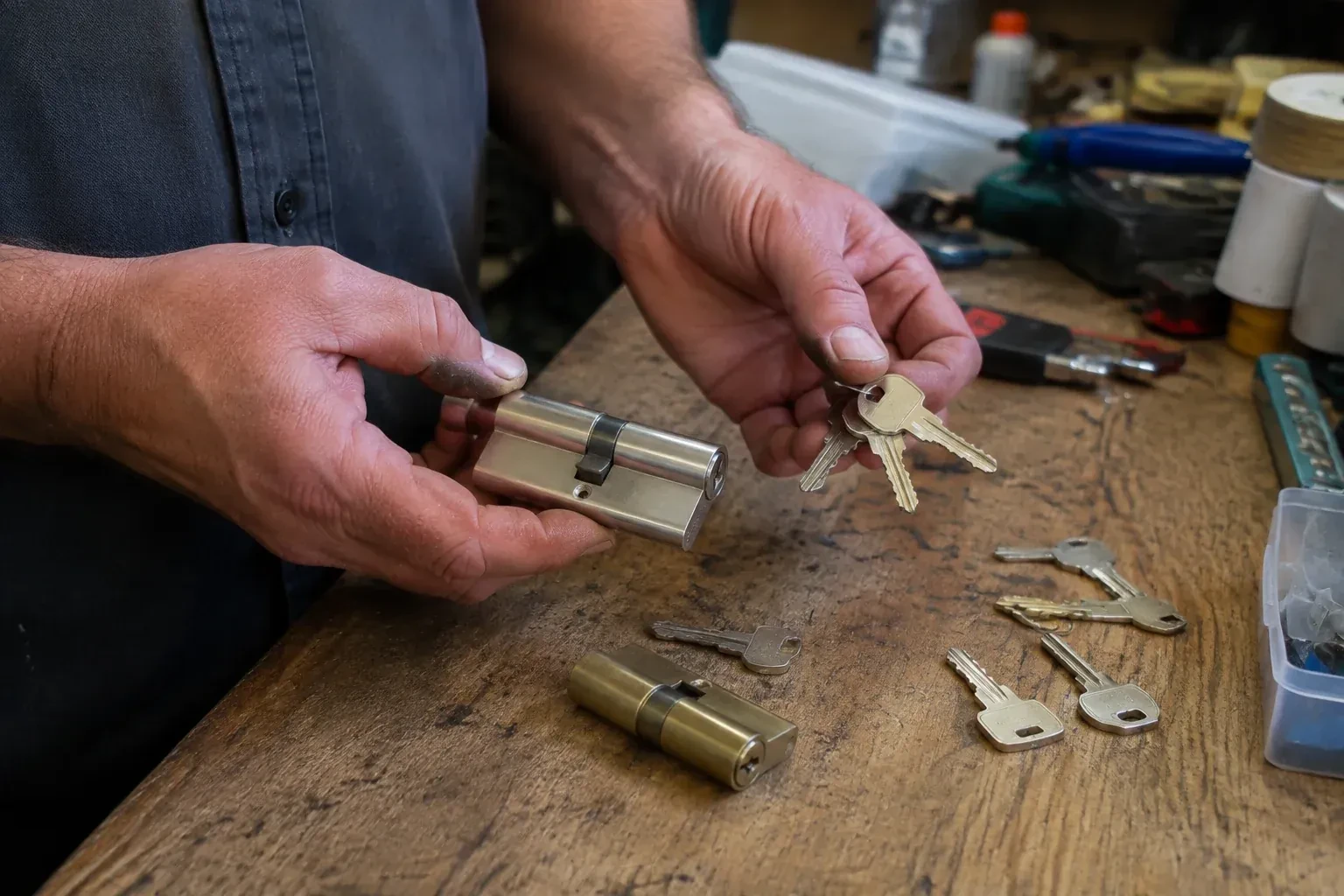
The choice between rekeying and replacing comes down to the condition of the lock and what you want from it. A cylinder that turns smoothly, sits firmly in a solid deadbolt and matches the look of the door is worth keeping, and rekeying gives it a new key for a fraction of the effort of replacement. Replacement earns its place when the hardware is worn, low grade, damaged, a mismatched keyway that cannot join the house key, or when you want a keypad or a heavier deadbolt anyway. A locksmith looks at each door and tells you which one applies.
How the visit goesThree months of renovation are finally done. The kitchen looks wonderful, and along the way a general contractor, a tile installer, a plumber and an electrician each carried a key to your front door at one point or another.
Inside the lock
What a rekey changes
01
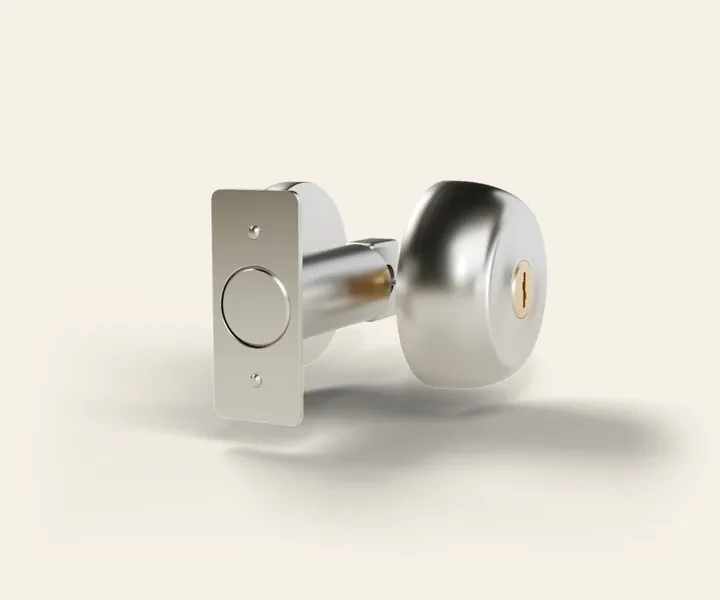
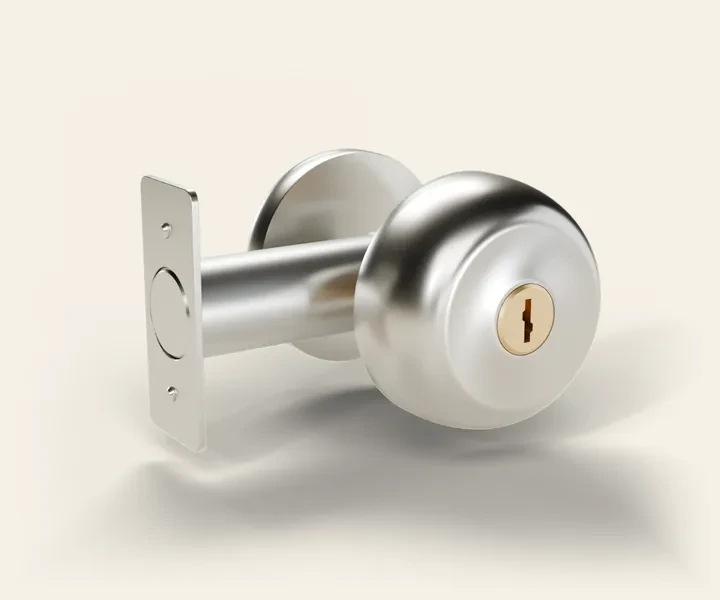
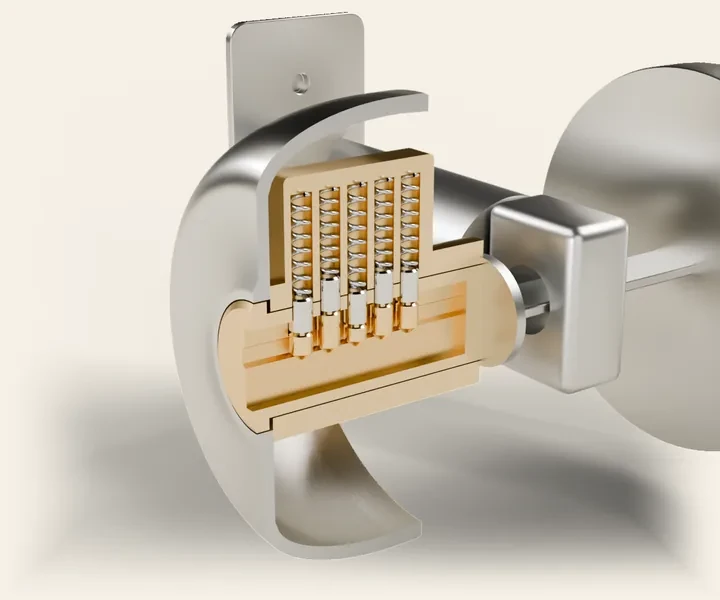
The lock you already have
02
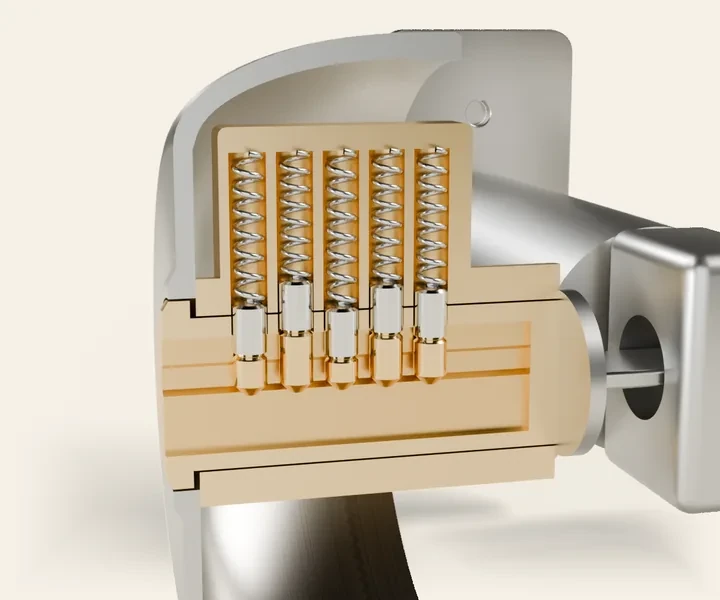
Inside the cylinder
03
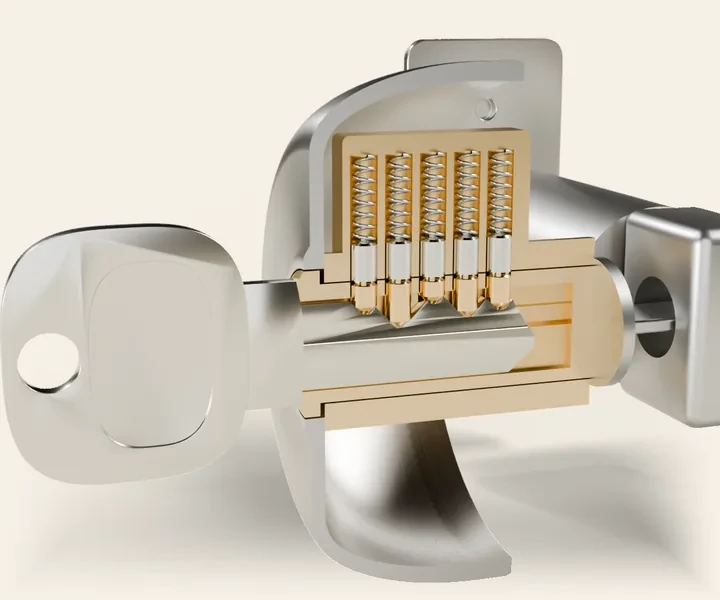
Pins, springs and the shear line
04
A new key, new pins
Lock Rekeying
How the visit goes
Who is entitled to change the locks
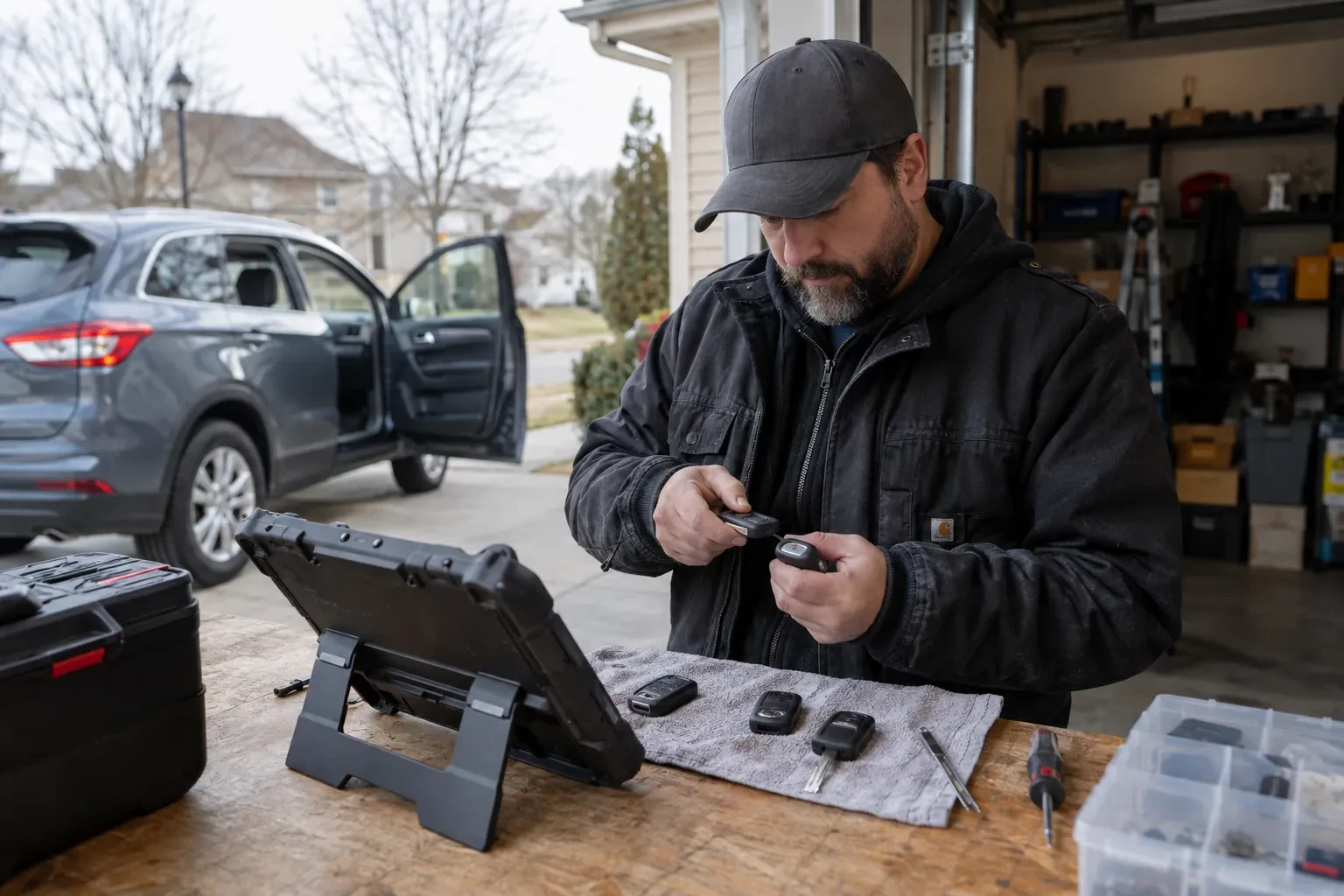
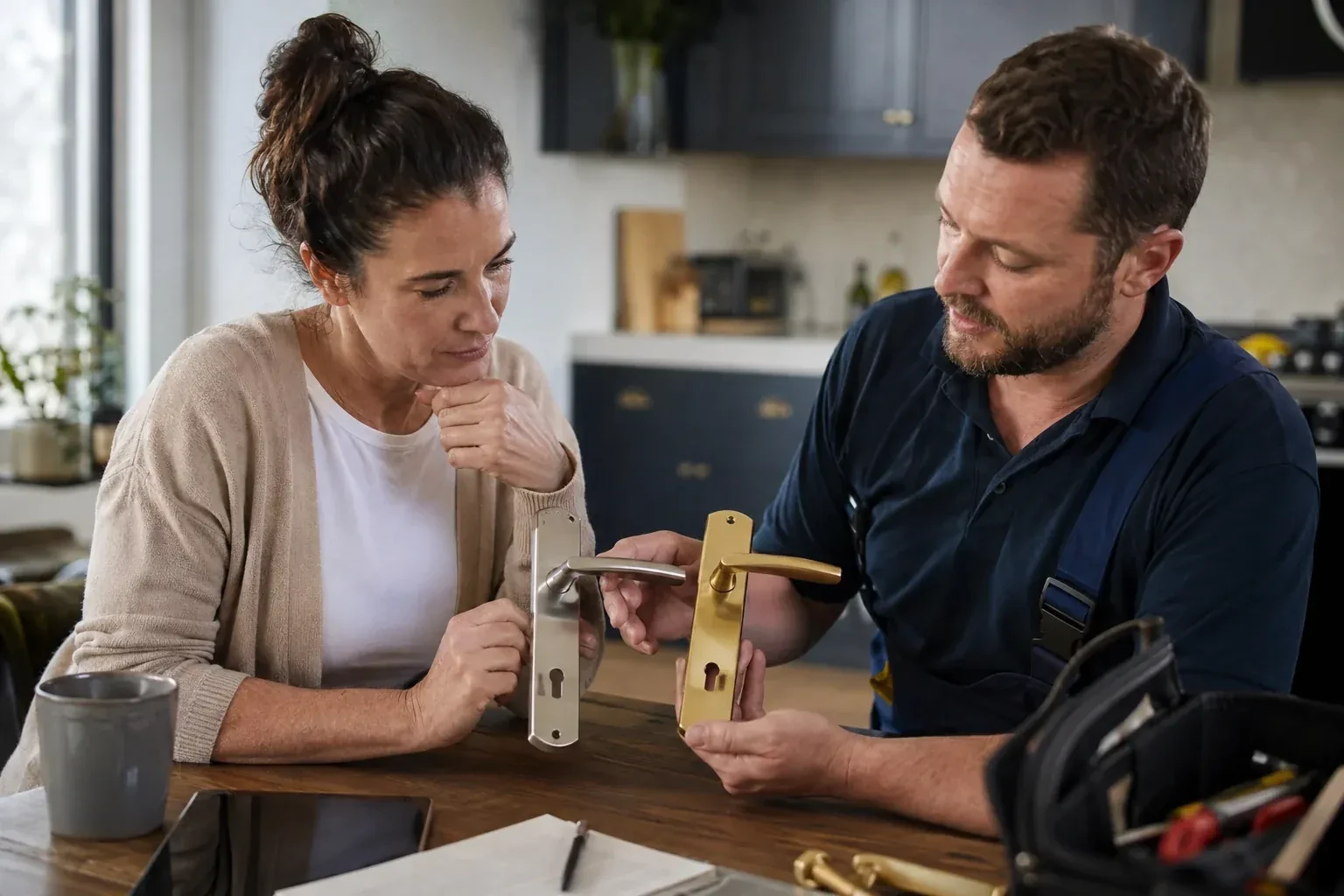
Rekeying decides who can enter a home, so the first check is about the person asking. A homeowner shows photo identification and something tying them to the property, such as a tax bill, a closing document or a utility statement. A property manager brings authorization from the owner. A tenant is asked whether the landlord has agreed to the change and will receive a copy of the new key, because tenancy rules here expect both sides to hold one. Where a unit is in a condominium, the locksmith asks whether the building has a rule about suite-door locks. None of this is an obstacle; it is the part of the job that protects the home being worked on.
Taking the cylinder out of the lock
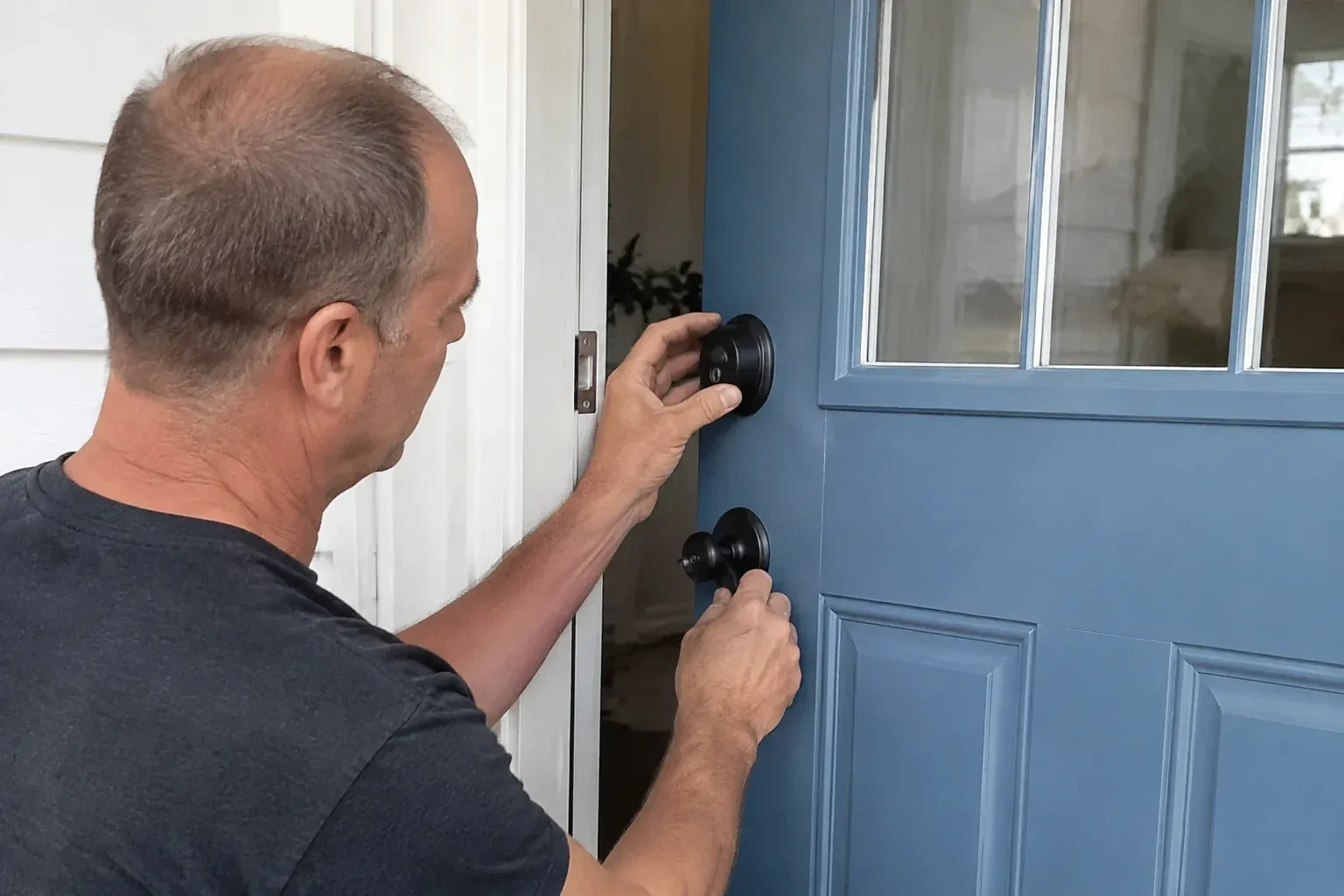
Each type of lock releases its cylinder in its own way, and the locksmith works door by door, finishing one before opening the next, so every entry stays lockable throughout. On a knob or lever set, the handle comes off after a retaining clip or set screw is released, and the cylinder slides out of the handle. On a deadbolt, the interior thumb-turn and housing are removed and the cylinder is withdrawn from the outside body. On an older mortise lock, a small set screw on the door edge is backed out and the cylinder unthreads from the case. Nothing is pried or forced; the door and trim stay untouched throughout.
A written note of what was done
A short record closes the job: which doors were rekeyed, whether any cylinder was replaced, how many keys were issued and to whom, and any door that was deliberately kept on its own key. For a homeowner it is a line in the house file that answers the question, years from now, of which key opens what. For a landlord it is the handover to give the incoming tenant and to keep for the next turnover. For a property manager it is the start of a proper keying chart. It also makes any later work simpler, since the next locksmith can see what system the house is on.
Lock Rekeying
In the van
Graded bottom pin kit
Replacement cylinder for odd keyways
Key blanks
Retaining clip tool
Cylinder shim
Lock Rekeying
What affects the quote
Number of keys cut
Keys are cut and tested individually, so the total depends on how many the household or the tenants need. Say the number when you book and the quote reflects it from the start.
How many cylinders are included
Each cylinder is removed, pinned and tested on its own, so a single deadbolt and a house with six exterior locks plus a shed and a gate are very different visits, and the quote follows the count.
Type of lock on each door
A standard deadbolt, a knob or lever set, a mortise lock in an older door, a padlock and a smart lock's override cylinder each come apart differently and take different time on the bench.
What to have ready
- Do you own the home, rent it, or manage it for someone else?
- How many new keys will your household or your tenants need?
- Is there a basement suite or office that should keep its own key?
Lock Rekeying: questions
QuestionsCan I keep one door on a different key from the rest?
Yes, and it is common. A basement suite or in-law apartment often gets its own key so the tenant's key opens their door and nothing else, while your key opens the main house. A home office, a storage room or a shed can be kept separate for the same reason. The locksmith sets up the groups you want, pins each accordingly and tags the keys so the separate one is not mixed into the household set.
Can a smart lock or keypad deadbolt be rekeyed?
The mechanical part of it can. Many keypad or app-controlled deadbolts hide a small keyed cylinder under a cap for the day the batteries fail, and that cylinder can be pinned to your house key so the backup key on your ring is the same one that opens the other doors; some models are key-free and rely on an external battery backup instead. Codes are a separate matter: the locksmith will suggest deleting any code belonging to someone who no longer needs access at the same time.
What is a restricted keyway, and does it change anything?
A restricted or patented keyway is one whose blanks are not sold to the public, so copies can only be cut by an authorized dealer from a record of who is allowed to have them. Rekeying such a cylinder is the same operation inside, but the new keys are cut from controlled blanks and the count is logged. The benefit is that a key cannot be duplicated at a kiosk without your knowledge, which makes the record of who holds one much easier to trust.
Related services
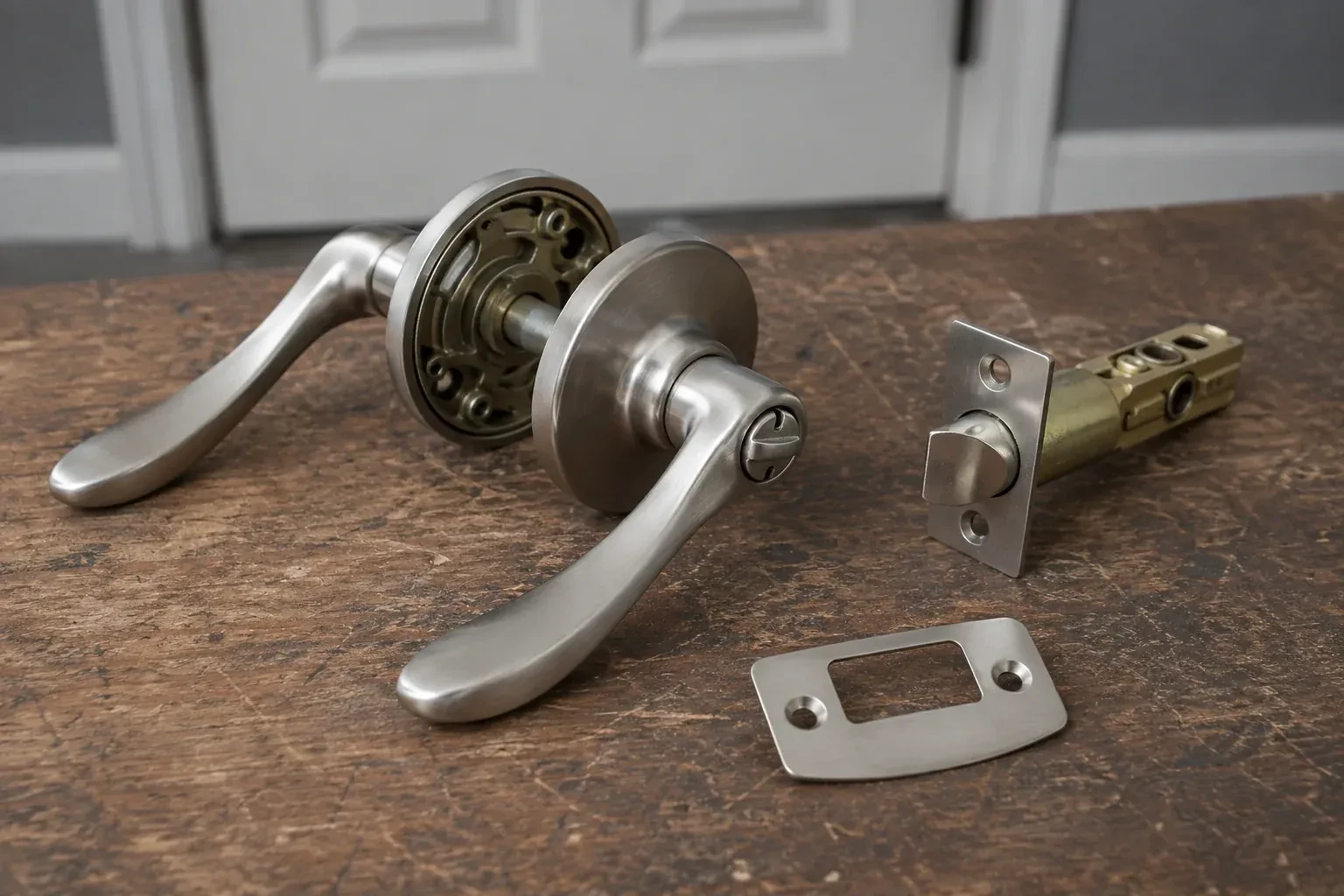
- Lock Replacement & UpgradeThe house is fifteen years old and every exterior door still wears the light hardware the builder fitted: a short bolt, a thin strike held by two small screws, and a knob lock that never suited a street entrance.
- Vintage Mortise Lock ServiceThe key turns freely in the round cylinder on the door, all the way around and back, without the bolt shifting at all.
- Smart Lock InstallationYour mother still lives on her own, and the personal support worker, the pharmacy delivery and two siblings all need to get in on different days.